How to Embarrass a Teacher When You Violate Martial Etiquette
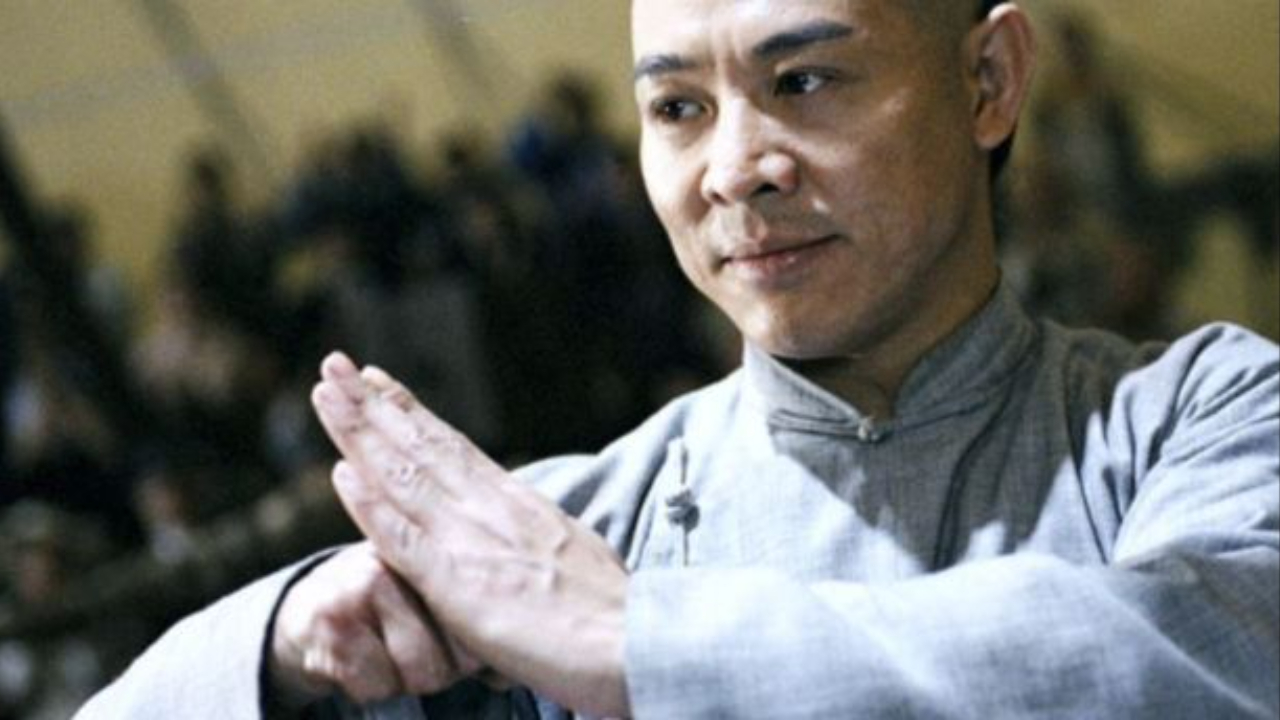
I have found that manners in martial arts can be a bit tricky. And depending on who you study with, you need to think from a different cultural perspective.
In a recent podcast interview, Chen Taiji instructor Nabil Ranne of Germany explained how he violated martial arts etiquette during an early conversation he had with his teacher, Chen Yu.
He asked Chen Yu how many times each day should he practice the form that some of us call Laojia Yilu but is also known as "Old Frame First Form," or "First Road."
Chen Yu replied, "Five times a day."
Nabil says he responded to Chen Yu by saying something like, "But your grandfather said you should do thirty routines per day."
Later, when Nabil understood more about martial etiquette, he realized and regretted his mistake.
By responding to Chen Yu as he did, in Chinese culture he was telling Chen Yu that either Chen Yu was wrong, or that his grandfather was wrong.
Listen to the interview with Nabil by following this link. Or play and downl...
Talking Chen Style Taijiquan with Berlin Instructor Nabil Ranne
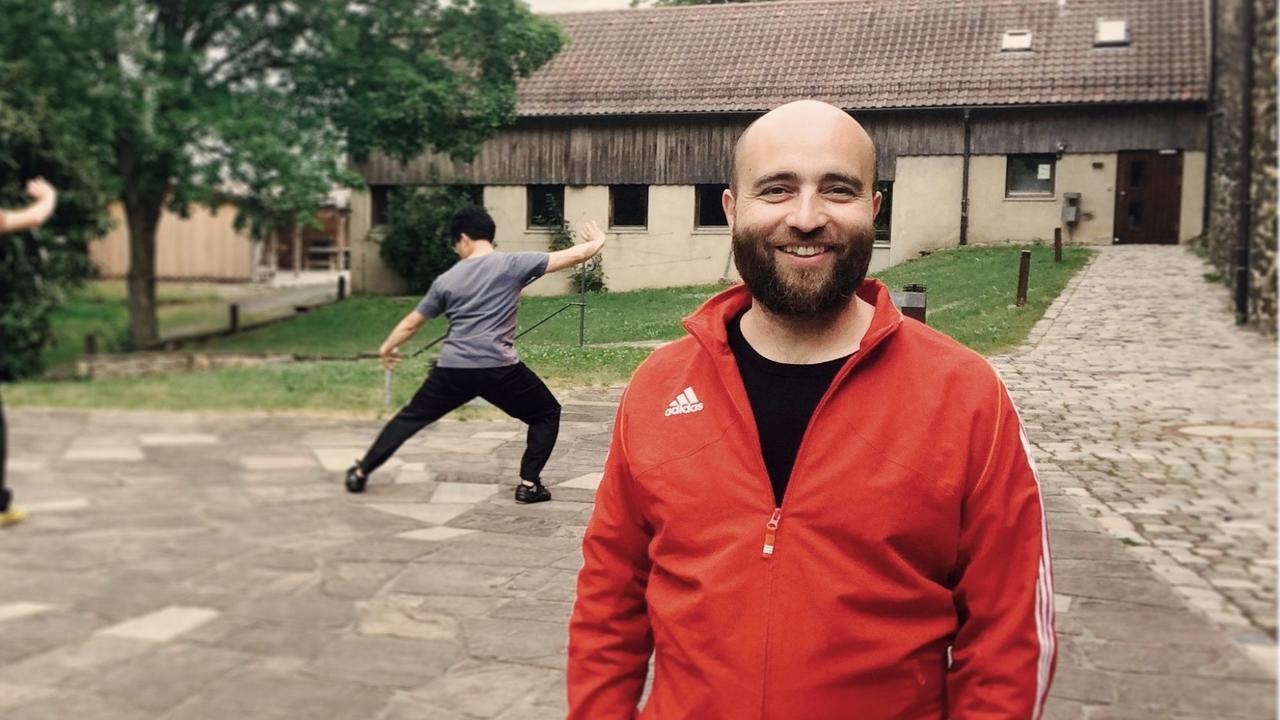
Nabil Ranne is a disciple of the great Taijiquan master Chen Yu of Beijing. Nabil teaches from his home base in Berlin. He is the co-founder of the Chen Style Taijiquan Network Germany (Chen Style Taijiquan Network Deutschland). His website is www.ctnd.de.
In this edition of the Internal Fighting Arts podcast, Nabil talks about how he began studying Taiji, what it was like to study with Chen Yu, and we talk about the differences between Chen Yu's version of Chen style, which Nabil studies and teaches, and the style taught by the Chen family in the Chen Village, which I study and teach.
Nabil is a good man and he has some great insights into the art. You can listen online or download the file to listen anytime. Also, on the buttons below you can subscribe to the podcast feed, embed the podcast into a website or share with your friends (and I hope you will).
Which Style of Tai Chi is Better? Maybe the One that Gets You Over the Bar
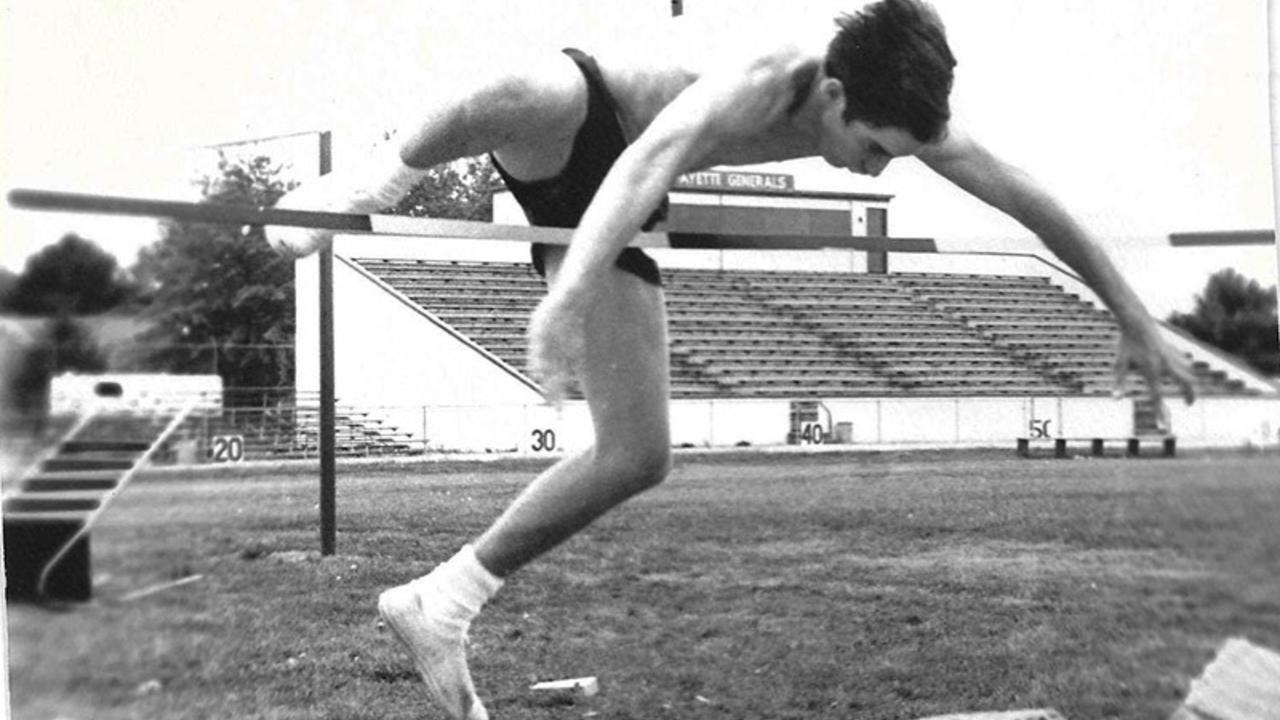
When I was around 14 years old, in 1967, the PE coach at our school set up a high jump in the gymnasium one day during Physical Education class.
Most of us had never seen a high jump before. You run up to a horizontal bar and jump over it, if you can, landing on foam padding on the other side.
He showed us how to jump over the bar using the "Western Roll" technique. You run up to the bar, jump off your left leg, put your right leg over the bar and then kick your left leg -- while you are in the air -- for added momentum.
It did not look easy.
One by one, the coach had us boys stand back 20 feet or so, take a running start, and see if we could clear the bar that was set at 4-feet 6-inches high.
One by one, each boy knocked the aluminum bar off the holders. It clattered to the gymnasium floor each time.
Then it was my turn. At 14, I was geeky and slender. I would rather read the Avengers comic books or James Bond books, or write my next little home movie, than do the high jump, bu...
Some People Make You Want to Be a Better Person

Two amazing people with beautiful hearts left the world during the past two weeks.
I learned about the passing of Laralyn Yee the day before I watched the service for Congressman John Lewis.
Both of these people had beautiful hearts and they both lost brave struggles with cancer.
A lot has been written about John Lewis, so I will not focus on him very much, except to mention how people remember him as always being kind.
And Lewis fought all his life for the rights of others. He put himself in harm's way on that bridge to Selma, knowing he was going to be hurt by the racist officers waiting for the marchers.
Later in life, he put his beliefs into action, and he put his heart into the task of helping others through legislation.
Lara Yee joined my website a few years ago and sent me a couple of emails on different topics. I did not realize she had been diagnosed with cancer. Her messages were always kind. She lived in California and had studied with some good teachers. She asked...
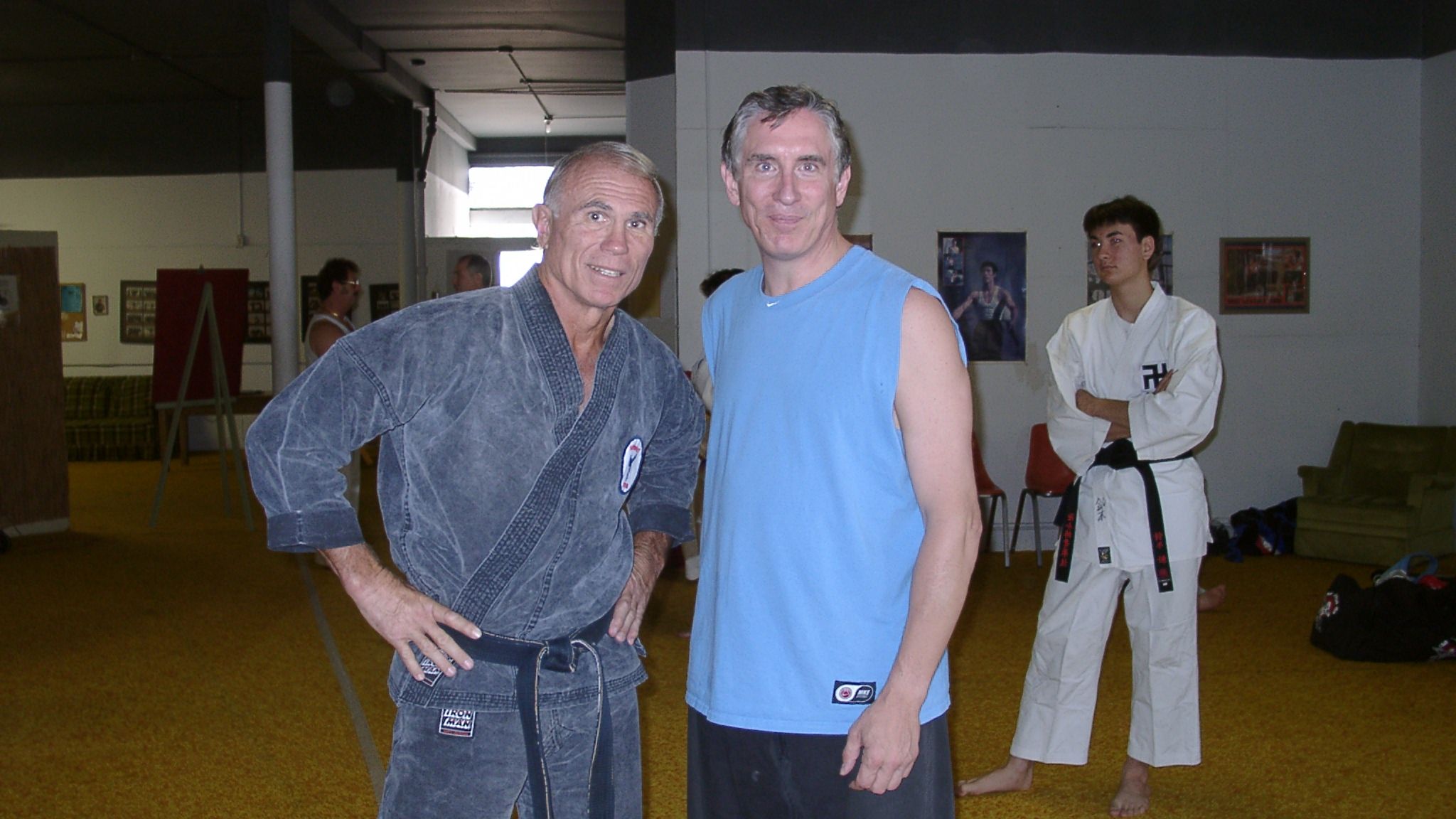
Training with Bill Wallace at the Martial Arts Supershow 2010
It's funny how your life crosses path with some people in a way you couldn't have predicted.
In 1976, I was 23 years old and watching a live karate kickboxing match on TV. Bill "Superfoot" Wallace knocked out a big bald fighter with a hook kick to the head. I was so excited, I started working a lot harder at the hook kick, and it has won me many tournament matches over the years.
I first met Bill Wallace in 1982. I was a producer at WCPO-TV in Cincinnati and he came to town for an exhibition match and martial arts convention. He stopped by the station and I interviewed him.
Flash forward almost 20 years to 2001. My friend John Morrow sponsors Bill Wallace to come to do a workshop at his school here in the Quad Cities. I go to John's house and meet them and we all go out to the ice cream store. It's a summer evening and we're hanging outside an ice cream store with this martial arts superstar. I couldn't believe it. I attended the workshop and he kept using me as his dummy, showing k...
Tai Chi Instructors Should Not Throw Their Pants in the Fire
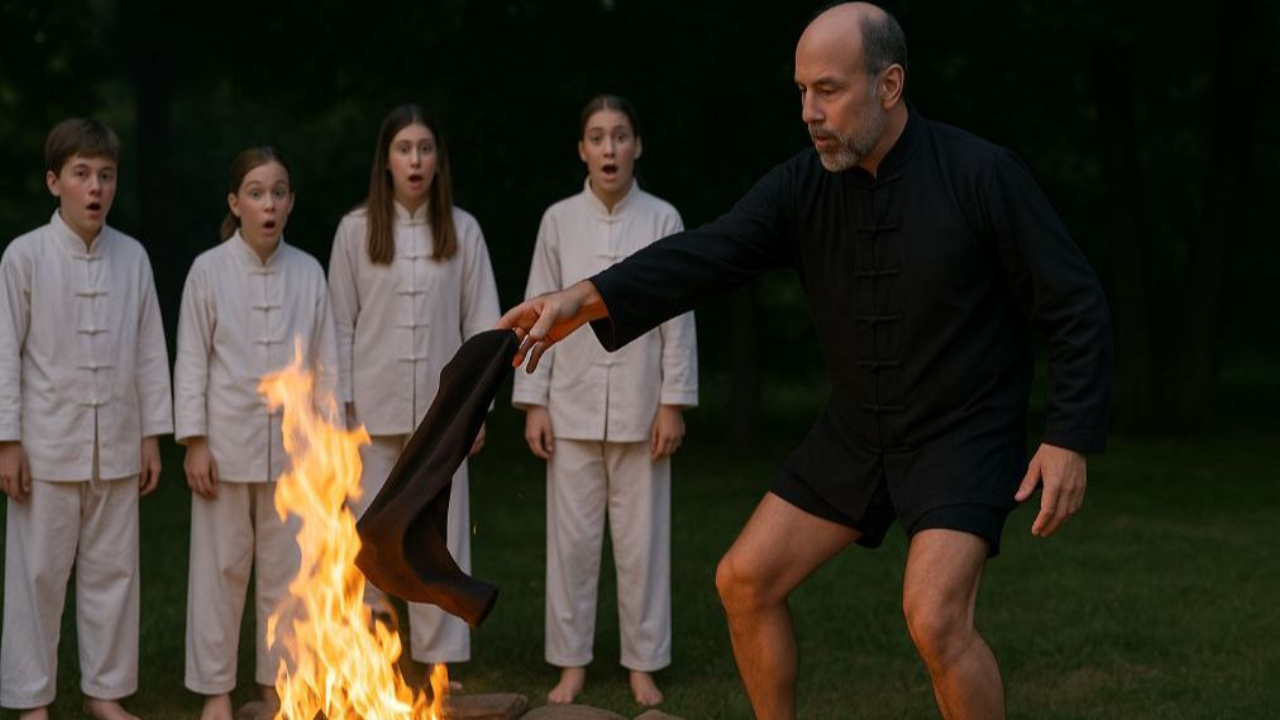
Nancy and I watch the TV series "Billions," and last night one of the characters told the story of James Davenport, an evangelist preacher back in the 1700s in the American colonies. He traveled and held revivals and preached fire and brimstone, hell and damnation.
He said he could tell if someone was "saved" or not just by looking at them.
James Davenport became known for his "Bonfire of the Vanities." He would urge his followers to throw books and other material goods into the fire. He was once charged with disorderly conduct because of his behavior and was convicted in a Hartford, Connecticut court. His punishment was simply to be sent back to his hometown.
Davenport kept preaching and holding his bonfires, and he began encouraging his followers to also throw their fancy clothes into the fire. Fancy clothes, he said, was a false god, it symbolized their vanity and kept them away from God.
One night, in front of a group of followers, he took his own pants off and threw them in...
Flowing Around Another Kung-Fu Obstacle -- a Pacemaker
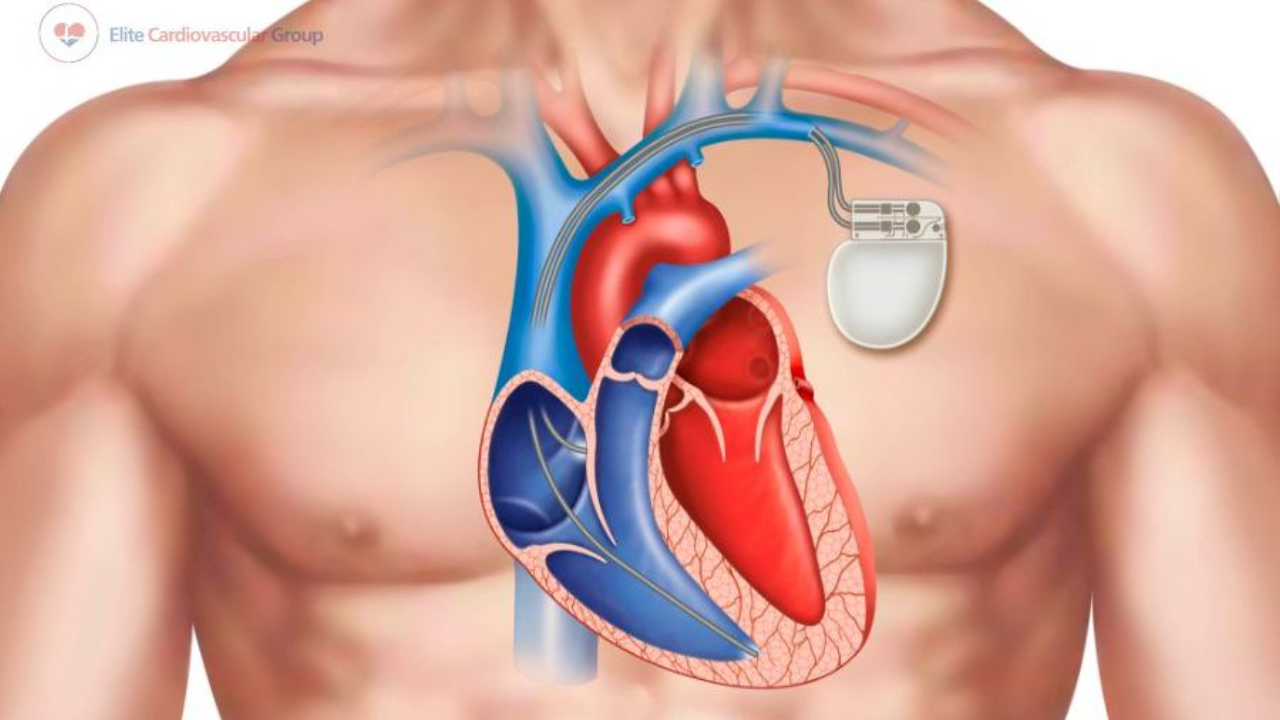
The image in this post (below) might be disturbing and is a bit personal. -- FYI.
Two weeks ago, a cardiologist put a pacemaker the size of a matchbox into my chest and ran wires down into my heart.
You have to go with the flow, right?
Be water, my friend, right? Flow around obstacles and find your way.
I try to remain centered and be water, but this took me by surprise. My cardiologist and I had been talking about it for years, but the decision to do it was not made until about five days before we put the pacemaker in.
I still suffer from atrial fibrillation, also known as a-fib, and that causes my heart to beat erratically. Just sitting at my desk, or on the couch, my heart will suddenly jump from 60 beats per minute to 155 bpm, as if I am running the 100-yard dash. Then, after a few seconds it will drop to 70 beats per minute, and a couple of seconds later it will jump to 140 bpm.
This can go on for hours. It makes me tired, and if I bend over, it makes me have to breathe he...
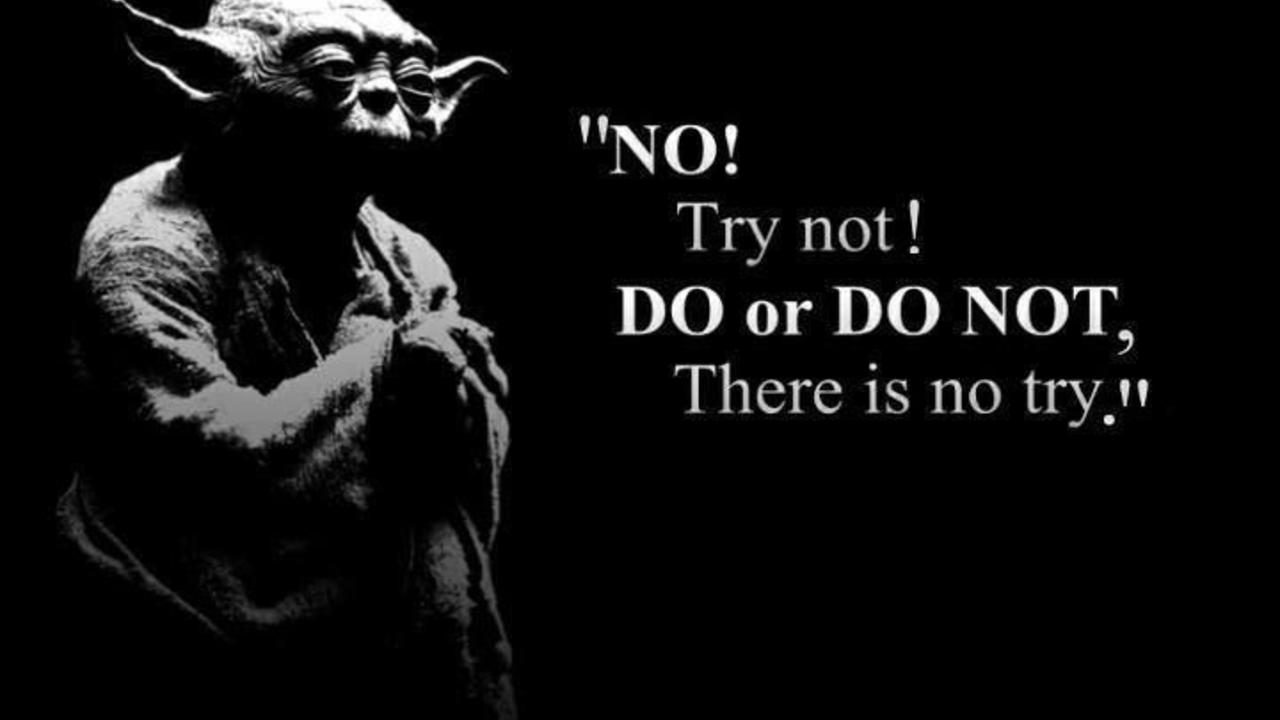
Martial Arts Success is Laid Out For You Step by Step: Do or Do Not, the Choice is Yours
How to Maintain Your Balance in the Fearful Time of Covid-19

I lost the function of my left lung. The photo on this post shows me at Cleveland Clinic. Since then, asthma developed and during the past 11 years it has became pretty serious. I am still able to do my martial arts, but on a limited basis and I often pay a steep price.
What Does "Double-Weighted" Mean in Tai Chi?
You have heard people say that being "double-weighted" is bad in Taijiquan.
But if you ask 10 different Taiji folks what that means, you will get 10 different answers.
Some say it is when your weight is distributed 50-50 between the legs.
Some say it's a mental thing. Others say something completely different.
This video shows what I learned about double-weighting from training with Chen Xiaowang, Chen Xiaoxing and their students and disciples.
Author - Instructor

Ken Gullette
I have practiced martial arts since 1973 and began studying the internal arts in 1987. My goal is to cut years off your development time by coaching you in the real skills for high-quality Tai Chi, Xingyi, Bagua. To see more about my bio, click the "About Ken" link on the menu at the top of this page.
Stay connected with news and updates!
Recent Posts
Categories
All Categorieschen taiji fighting applications
chen xiaowang straight sword form
critical thinking in martial arts
does tai chi make you live longer?
full contact vs point sparring
how to succeed in martial arts
how to use chi kung in daily life
how to use qigong in daily life
internal fighting arts podcast
ken gullette on kung fu conversations podcast
mindset of successful martial artist
principles of body mechanics in martial arts
the myth of longevity in tai chi
understanding tai chi energies
what is body method in tai chi