If I Can’t See It, Are You Really Doing It?
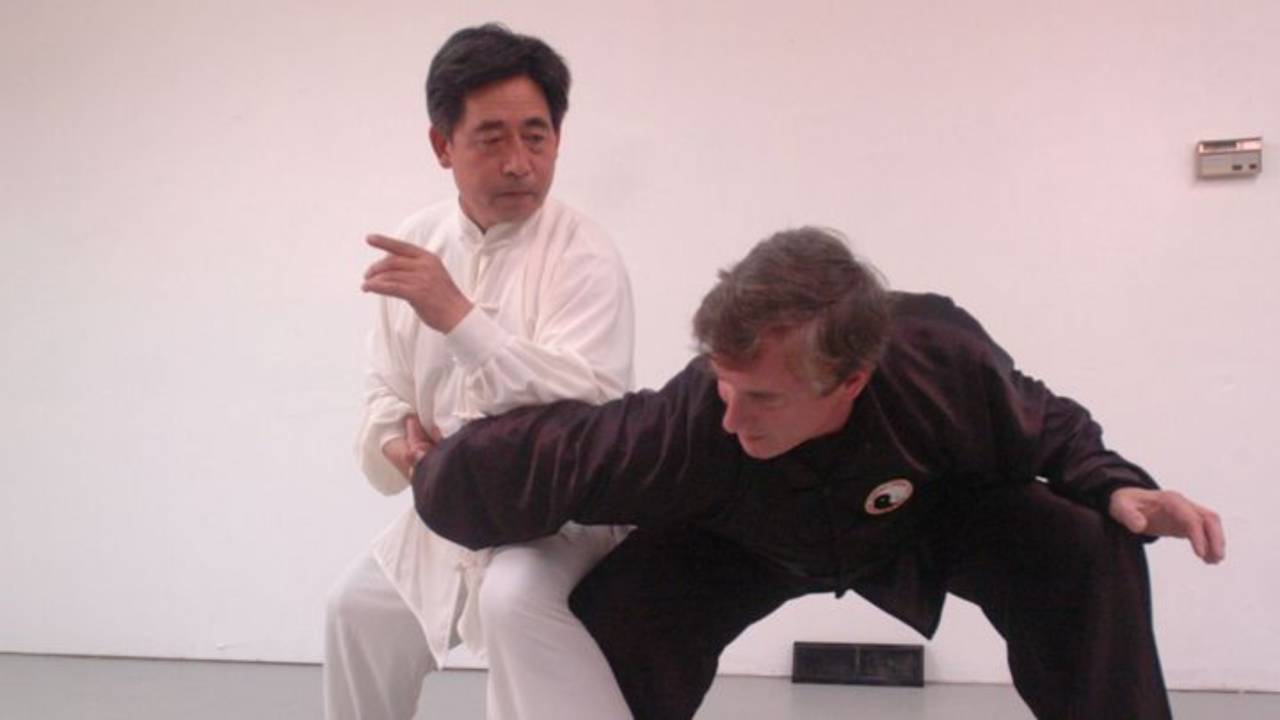
(Photo above shows Ken training with Chen Xiaoxing in 2006)
One of the reasons I switched from Yang style to Chen style Taijiquan in 1998 is because Chen Taiji looked so “alive.”
The body mechanics of Chen style involve spiraling and Dan T’ien rotation, closing and opening, folding in the chest and stomach, and relaxing into the kua (especially the crease at the top of the legs). Instead of high stances, Chen style stressed “sitting in the chair.”
None of these mechanics were taught to me in Yang style. When I switched to Chen style, I began learning things from the “original” style of Taiji that apparently had been lost in Yang style, or at least in the type of Yang style taught in America.
When I talked to a couple of Yang folks about this, they would reply, “Oh, we’re doing it, you just can’t see it.”
Nope. I didn’t just fall off the turnip wagon. If I can’t see it, you ain’t doing it.
Okay, maybe "If I can't see it, you ain't doing it" is overstating the case. But if a traine...
The Vital Art of "Connecting"
I was testing for my black sash in 1997. Part of the test involved sparring with wooden broadswords.
I stood a few feet away from the black sash instructor who was testing me, Cornell Garrett. I was in a front on guard stance. The tip of my broadsword was pointing toward his throat. He was in the same stance, his broadsword pointing at my throat.
I thought to myself, "Calm down. Center yourself and connect with him."
A sense of calm came over me. It felt like I knew exactly when he was going to move.
Suddenly, his sword began moving to attack me.
Before it could get halfway to me, the tip of my broadsword was touching his chest at the heart.
I had never felt so connected. I had learned a very valuable skill.
My first internal arts teacher was Phillip (Pete) Starr, who was also Cornell's teacher. Even though his instruction was not as "internal" as he claimed, I learned some valuable lessons through Pete.
One of the most valuable lessons I learned from him was the concept of "co...
Why I'm Not Always Polite with Tai Chi Con Artists
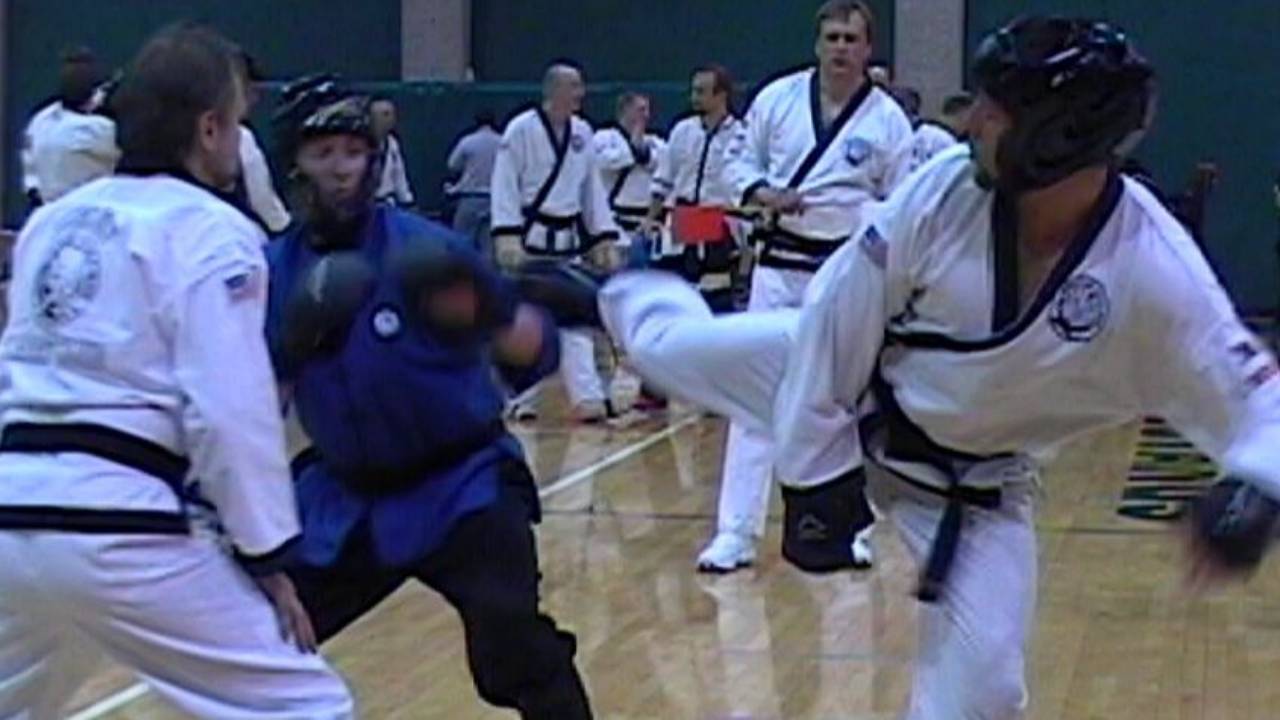
The video above shows me (blue shirt) in a full-contact match in 1991 - the Toughman Contest. They went to towns around the country, set up a boxing ring, and invited all the "Tough Guys" in the area to come down and fight.
I was 38 years old and had studied martial arts for 18 years. I had been studying Taiji, Xingyi and Bagua for four years at this point. I had to test my skills.
My opponent was much younger, bigger, and stronger. But I had done a lot of sparring, mostly non-contact or very light contact point sparring. I had good strategy and was pretty accurate with my punches. Very often, his punch missed and mine didn't.
Going up against a bigger guy wasn't unfamiliar. Growing up, I had fights with several bullies who were bigger. So I had a very good idea what a real fight was like.
When a grown man is coming at you, trying to hurt you, it puts everything you have studied into perspective.
His motivation is to damage you. His fists are heavy and deliver painful blows.
It...
Learning Taijiquan from Wang Xi'an - the Internal Fighting Arts Interview with Dr. Bob Bacher
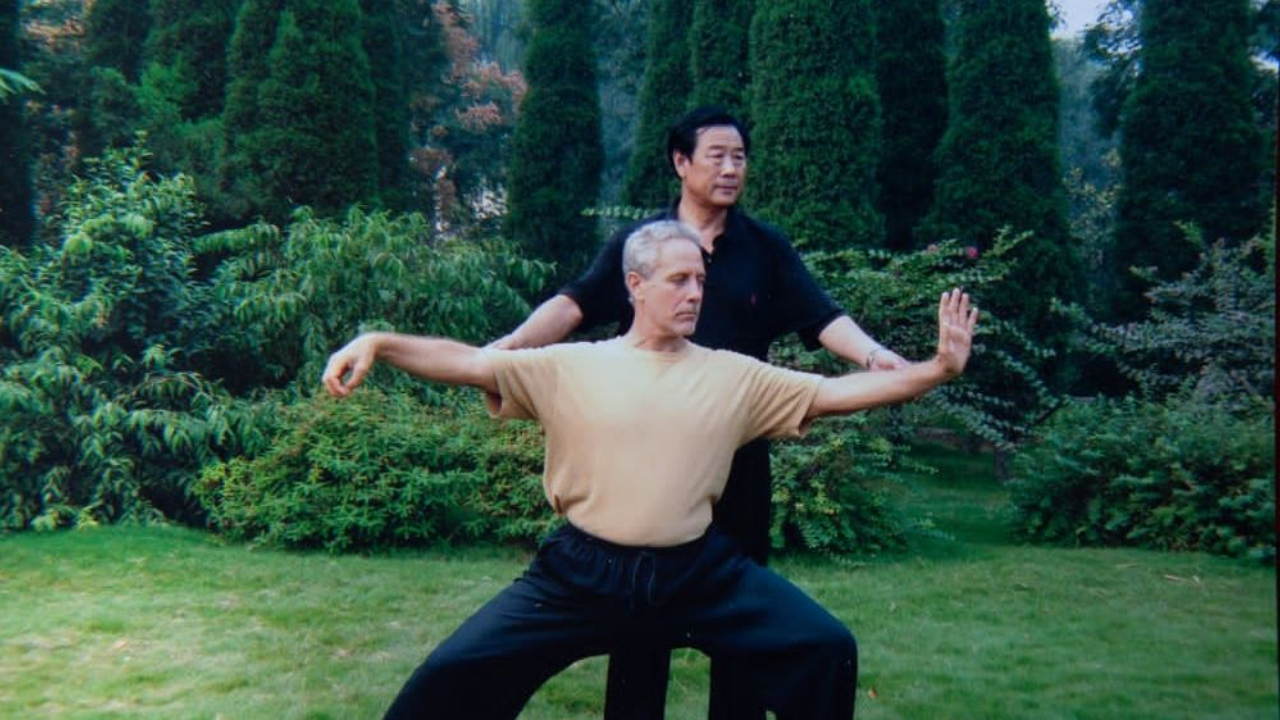
In this edition of the Internal Fighting Arts Podcast, Ken Gullette talks with Dr. Bob Bacher, a Taijiquan teacher who studied with Wan Xi'an, one of the "Four Tigers" of the Chen Village.
For ten years, while he was a board-certified Doctor of Chiropractic, Bob made visits to the Chen Village to learn from Wang Xi'an, who passed away in 2024.
Ken and Bob talk about his early training, how he met Wang Xi'an, and what type of person Bob got to know. Bob Bacher still teaches, and has a website at www.dochenstyletaichi.com. Ken teaches in-person and through his membership website at www.internalfightingarts.com, where you can also find Ken's blog.
This interview was recorded in May, 2026. Running time is one hour 26 minutes.
The Myth of Longevity in Tai Chi
Taijiquan attracts some people who are looking for magic. They want to see Taiji teachers saw a woman in half and they don't want to believe the woman is part of the trick.
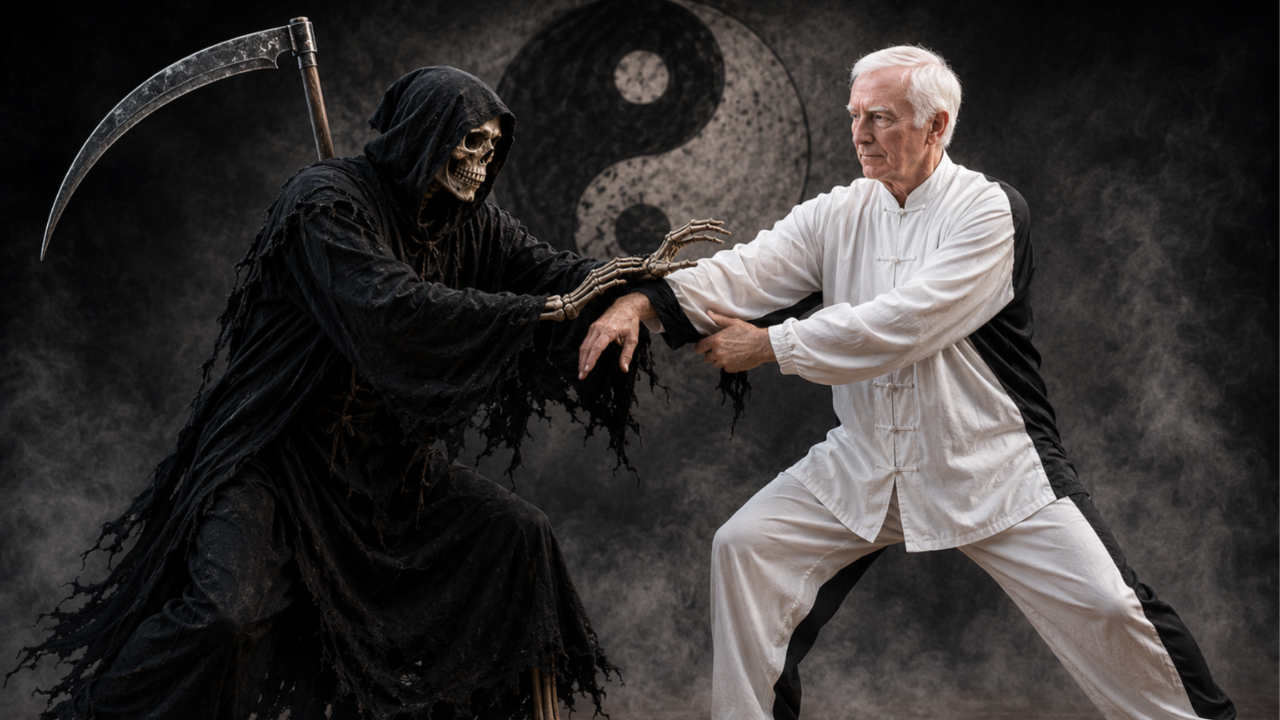
One of the claims made by some teachers is that Taiji will give you "longevity." Some actually go so far as to mention "immortality," but usually they give vague promises of longevity.
It's a misleading claim with no solid medical evidence. If a teacher says Tai Chi will cause you to live longer, leave and find a real teacher. Here are a couple of questions:
How many 100-year-old Tai Chi masters do you know?
How many of the most famous Taiji masters lived to 100?
The great Yang style master, Yang Chenfu, died at age 53.
Chen style master Wang Xi'an died two years ago at age 80.
The great Chen master, Chen Fake, died at age 70.
And the creator of Yang style, Yang LuChan, died at age 72 or 73.
My wife's parents both lived into their 90s and never did one Tai Chi movement.
So when I saw a Facebook post this w...
The Eight Energies of Taijiquan - The 81st Edition of the Internal Fighting Arts Podcast
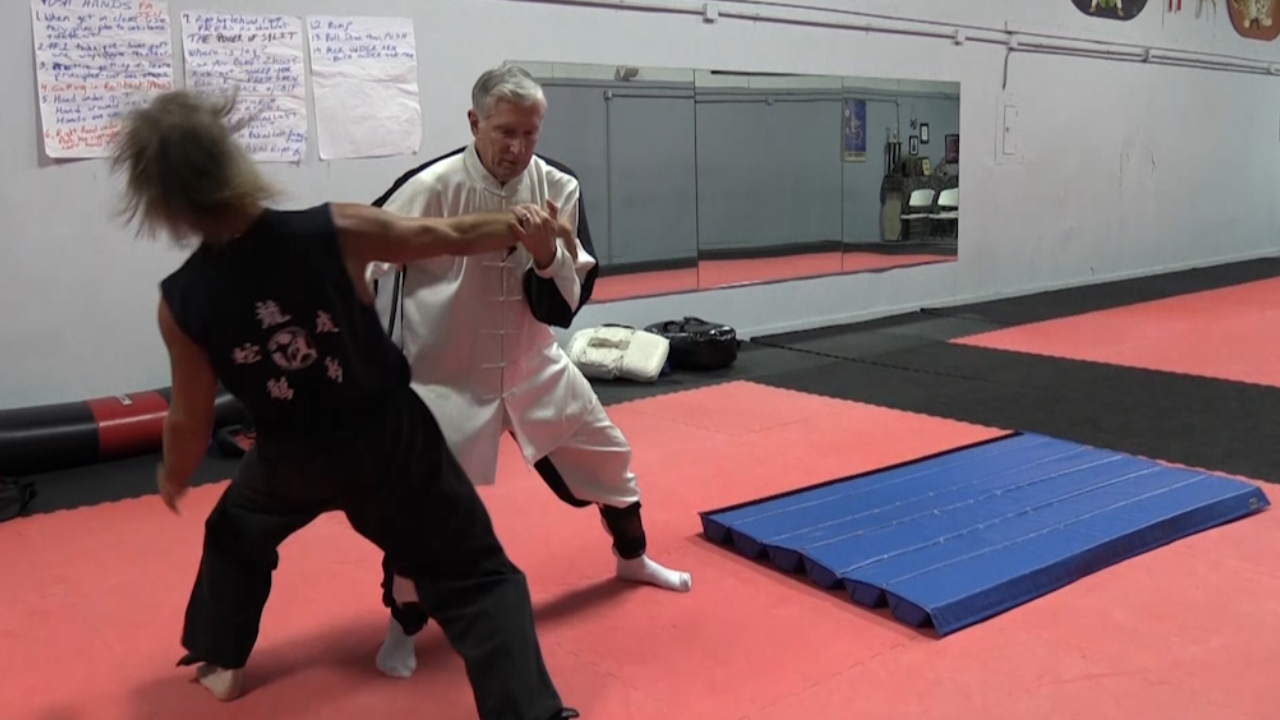
In the latest edition of the Internal Fighting Arts podcast, I give my take on the "Eight Energies of Taijiquan." Last week, I put an 8-part video series on YouTube -- one video for each "energy" -- scroll down a post or two and you'll find a link to the videos.
I wanted to talk about this on the podcast, but it feels strange that I don't have a guest for the first time on the program. If you would like to listen, here is the link:
https://internalfightingarts.libsyn.com/internal-fighting-arts-81-the-eight-energies-of-tai-chi
If you enjoy the podcast and know other Taiji folks who would like to listen, please share it.
The "energies" are not mystical. They are physical skills developed and refined over time. I hope this podcast helps bring some light to what is too often shrouded in abstract wording and semi-mystical, metaphorical language.
--by Ken Gullette
The Eight Tai Chi "Energies" Explained in 8-Part YouTube Series
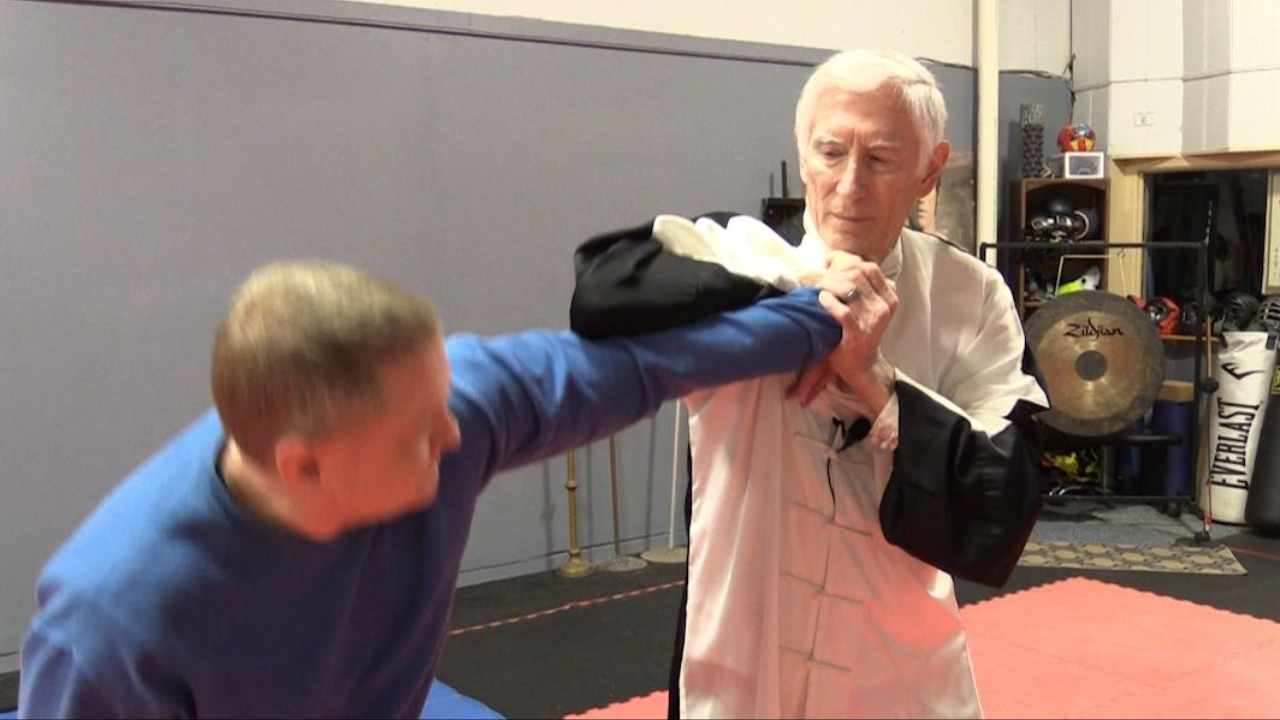
What are the "Eight Energies of Tai Chi?" Now, you can learn about them in eight short videos that I have produced for members of my website, but they are available for free to the public through a YouTube playlist available at this link:
https://www.youtube.com/playlist?list=PLaVqaOc-eCYcYeiJ6BNLzezm0qD_WCV35
I have been writing about the "energies" for years. They are mentioned in videos on my website and DVDs. It is much more accurate to call them "methods" instead of energies.
Here are the eight energies:
1. Peng Jin (Ward-Off Energy)
2. Lu Jin (Roll Back Energy)
3. Ji Jin (Press Energy)
4. An Jin (Push Energy)
5. Lie Jin (Split Energy)
6. Cai Jin (Pluck Energy)
7. Zhou Jin (Elbow Energy)
8. Kao Jin (Shoulder Energy)
There is nothing mystical about them. It has nothing at all to do with some specific types of different "energy" that flows through our bodies.
If you strip the semi-mystical, abstract, metaphorical language from Taijiquan, what you get are principles of ...
Divide and Conquer - the Taiji "Split Energy" of Lie Jin
|
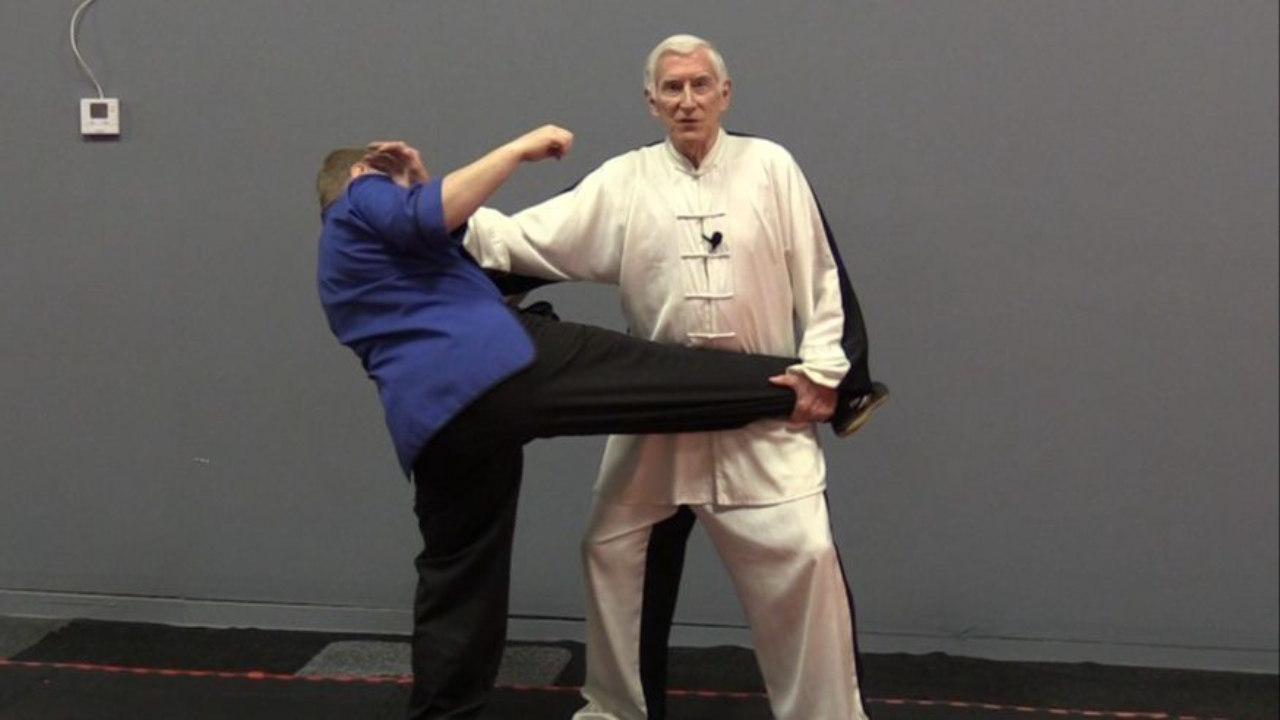
Let's continue to explore the "energies" with Lie Jin, also known as "Split Energy." Lie is pronounced like the name "Leah." Since I'm from Kentucky, I generally just say "Split energy." :) Remember, an energy is more accurately described as a “refined method of dealing with an opponent’s force.” It's easy to think that Lie Jin means you take one part of the opponent one way and another part of his body a different way to disrupt his structure. That is correct, but that is the result, not the engine that drives Split energy. So let’s get under the hood. “Lie” is usually translated as "split, rend, or tear apart." That doesn’t mean you’re ripping something apart, though. Lie Jin is rotational force applied asymmetrically. It’s spiral vs. structure. When you use Lie Jin, the opponent is broken because his body can’t rotate as a single unit anymore. Lie happens when: ** One segment of his body is invited into one spiral, ** Another segment is quietly led into a differen... |
Cai Jin Explained: The Plucking Method in Taijiquan
|
Kao Jin - Bump - Is Great for Close-Up Self-Defense
Kao Jin is often called "Shoulder" energy.
It's more accurate to call it "Bump."
Kao Jin is a whole-body force expressed through body-to-body contact at very close range.
It's a structural takeover of someone's space.
If you "shoulder" someone, the shoulder is just the delivery point. The engine behind it is the ground connection and aligned structure.
Kao Jin can be performed with many parts of the body, including the shoulder, the chest, torso, hips, and legs.
Kao is whole-body force that enters and displaces an opponent by using body contact to take their line, break their balance, and move their mass without relying on arm extension.
You get your body where his body doesn't want you to be by entering his space. There is no wind-up and no visible effort. A good Kao steals your opponent's vertical integrity.
Chen Ziqiang is very good at Kao. He uses it -- often with his chest -- to unbalance his opponent long enough to take him down another way.
One of my favorite uses ...
Author - Instructor

Ken Gullette
I have practiced martial arts since 1973 and began studying the internal arts in 1987. My goal is to cut years off your development time by coaching you in the real skills for high-quality Tai Chi, Xingyi, Bagua. To see more about my bio, click the "About Ken" link on the menu at the top of this page.
Stay connected with news and updates!
Recent Posts
Categories
All Categorieschen taiji fighting applications
chen xiaowang straight sword form
critical thinking in martial arts
does tai chi make you live longer?
full contact vs point sparring
how to succeed in martial arts
how to use chi kung in daily life
how to use qigong in daily life
internal fighting arts podcast
ken gullette on kung fu conversations podcast
mindset of successful martial artist
principles of body mechanics in martial arts
the myth of longevity in tai chi
understanding tai chi energies
what is body method in tai chi