The Joy of Teaching Tai Chi to an Older Group of Students
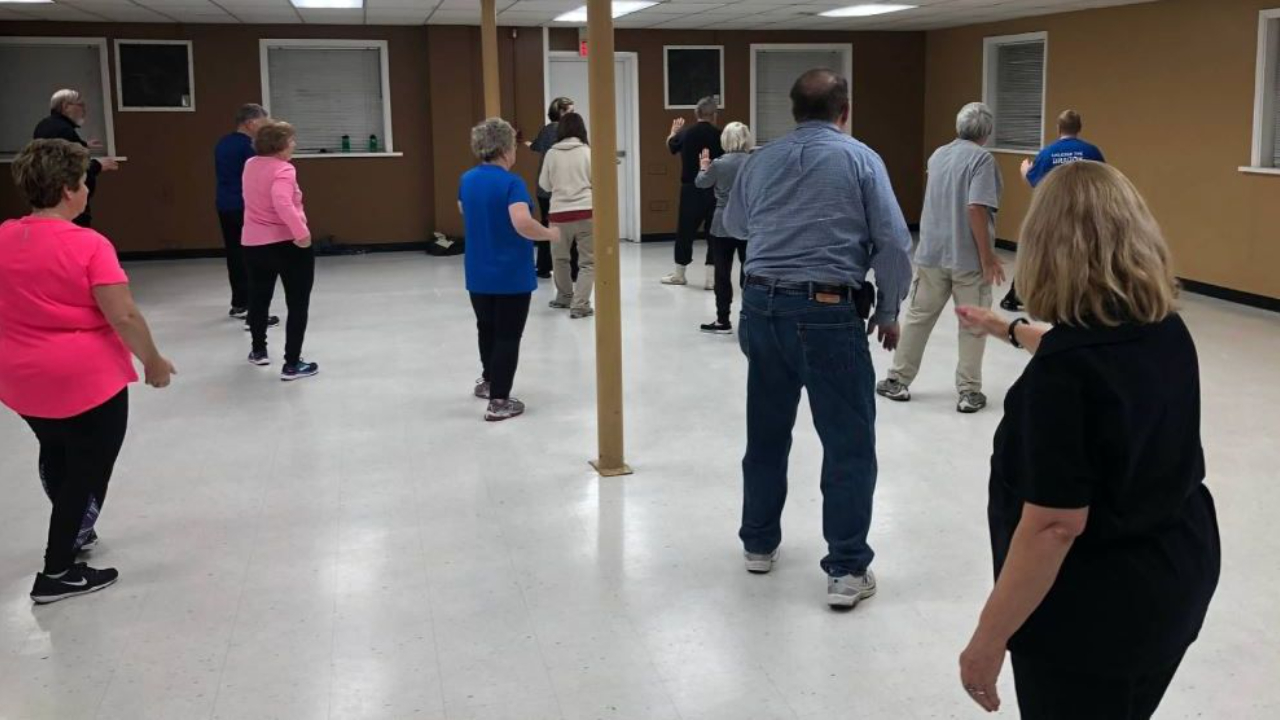
Something happens when you start getting older, when your health begins to go South and the hair turns gray.
Suddenly, you feel differently about the old people you see in the store or on the road. You suddenly develop empathy.
Oh, I get it. That old man still thinks of himself as the strong 25-year old that he was just a few minutes ago. Wasn't it just a few minutes ago?
No, it was 40 years ago, before the losses started piling up; before his parents died, before his friends started dying, before his earning power began dropping, and before his heart began beating like a bad carburetor.
Now, when I see a healthy 25-year old, I think to myself, "It seems like just yesterday." When I was 25, life seemed endless and everything seemed to come easily.
As the years passed, I lost a daughter, I lost jobs, marriages, and eventually, my perfect health declined. There were some gains along the way, too, but the losses pile up.
As we get older, it becomes even more important to maintain ou...
Internal Energies and Takedowns - The Holy Grail of Taiji Self-Defense
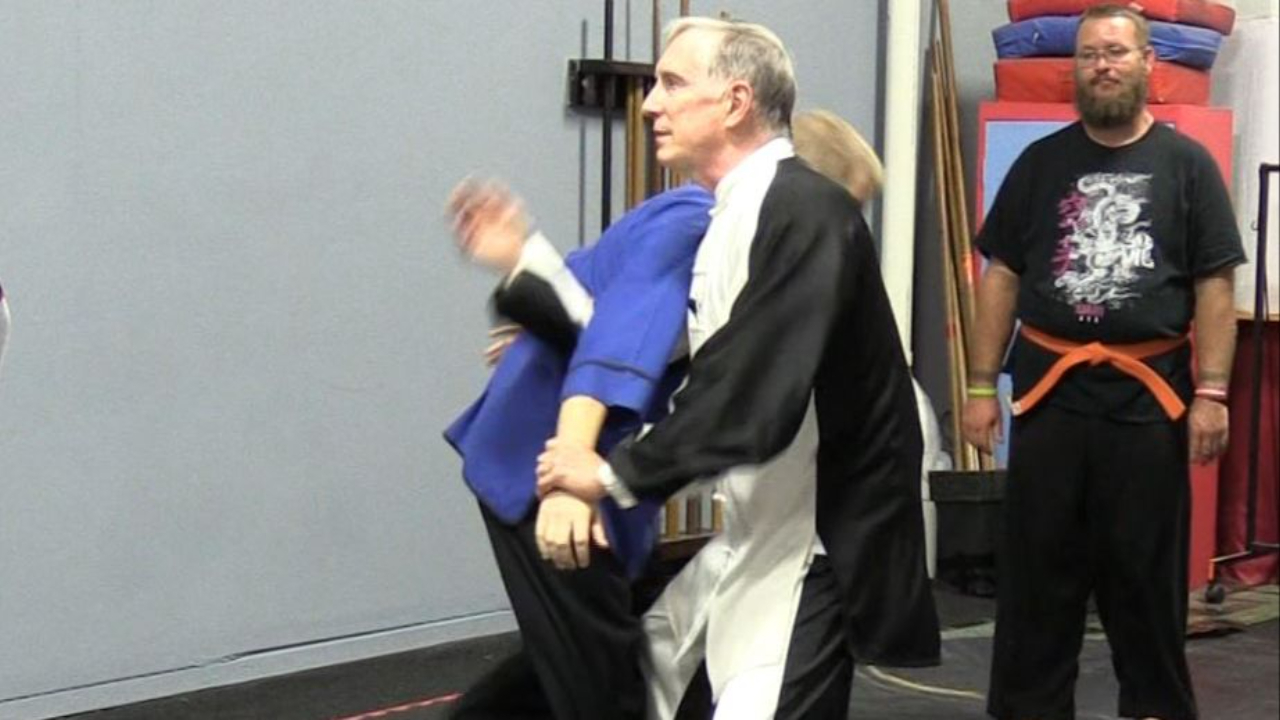
The Holy Grail of Tai Chi self-defense -- in my opinion -- is when you can "feel" an opponent's energy when you are in a clinch and you can break his structure and use Tai Chi "energies" to take him down.
On Saturday, about a dozen martial artists of different styles gathered at Morrow's Academy of Martial Arts in Moline, Illinois and we practiced some of the basic concepts and energies. We recorded the workshop and the video is already going up on my website -- www.internalfightingarts.com -- and I am putting it together for a DVD.
Anyone can use muscular force to pick someone up and throw them to the ground.
But can you use Tai Chi energies to unbalance, uproot, and control your opponent's center so you can take them down?
You have to be able to do a few things:
** Determine how your opponent's center is turning
** Break his structure to unbalance him
** Have your hands and legs in place to help his center turn
** Then turn his center and take it where it wants to go.
The te...
Teaching My Wife How To Do A Tai Chi Takedown with Split Energy

My wife, Nancy is my videographer. She is usually behind the camera as we record lessons for DVDs and the website.
Yesterday, as we were recording some tuishou instruction about using tai chi "energies" and methods to do takedowns, we pulled her out in front of the camera to learn how to do a takedown using "shoulder" energy.
I enjoy teasing Nancy. She has a great sense of humor. One of the reasons I started in martial arts was because I thought it was fun. I still do, so I often include outtakes and jokes in my DVDs and video for the website.
This is a short video showing Nancy learning a good technique. The Chinese term for the technique is at the end.
Reflections on Earning a Black Belt 20 Years Later
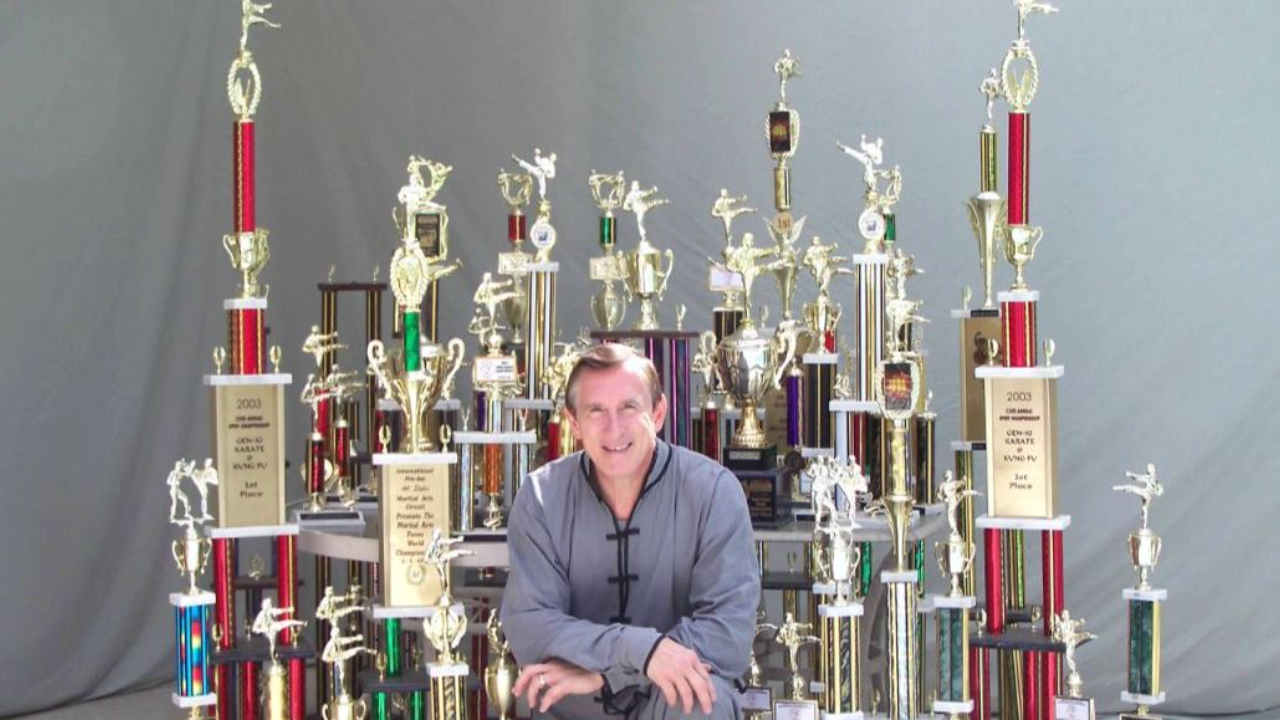
20 years ago this summer, I got canned from my last job in TV news.
It wasn't a total shock. In fact, it was a relief. Despite award-winning work, I was the manager of a newsroom, and it was a fate worse than death.
Anchors acting like prima donnas, reporters angry because they wanted to be anchors, videographers dinging news cars, inexperienced kids on the air and me having to answer for their screw-ups.
I got into news to be a writer, reporter, and to be creative. I found myself in a living hell as the top decision-maker in the newsroom.
Suddenly, I was canned. It happens in the news business. The life expectancy of a news director is 18 months. I had been there three-and-a-half years.
Two days after losing my job, I had an idea. I was 44 years old and I had been one test away from black sash since 1991, but I had moved away from Omaha, where my teacher was, I was working more than full-time, I was a single (divorced) father with two teenage daughters living at home, and was al...
Are You Getting This Important Benefit from Your Qigong Practice?
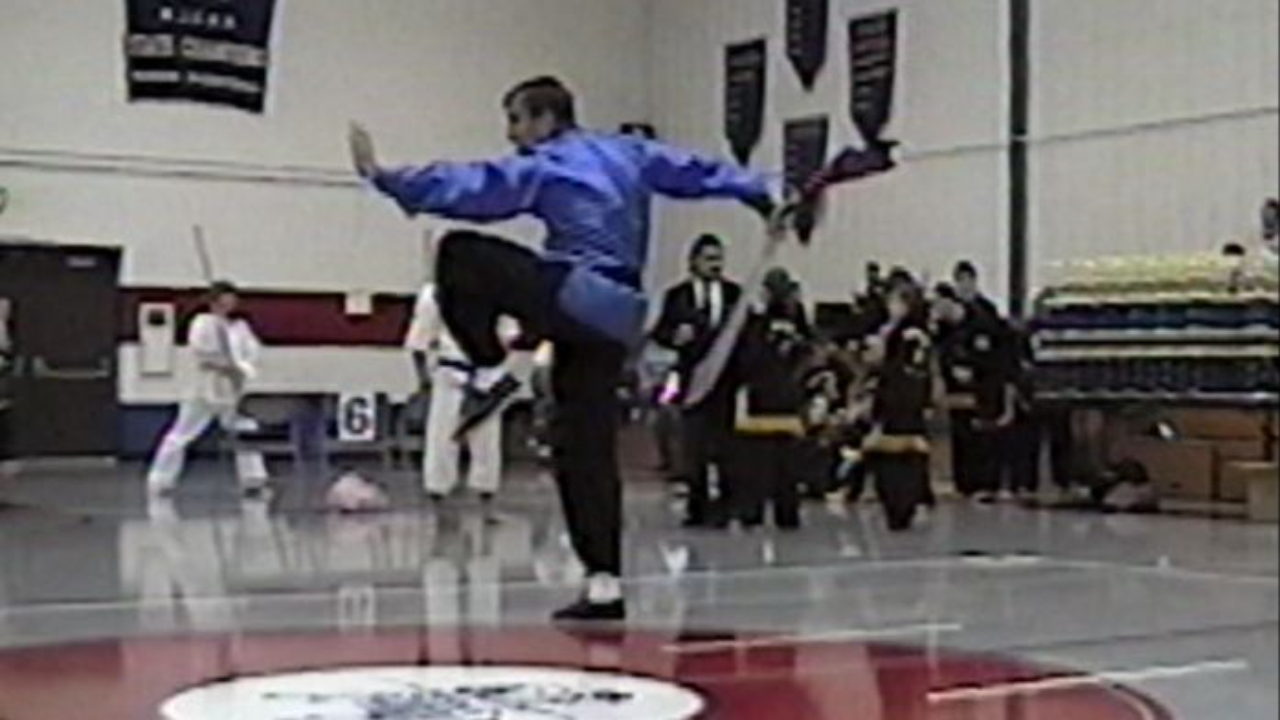
I stepped into the ring, holding my broadsword and feeling butterflies in my stomach. I wanted to do well in my first tournament performance as a black belt.
It was February, 1998 in Cedar Falls, Iowa, and at 45 years old, I had studied different martial arts for 25 years, had been in the internal arts for more than 10 years, and had practiced qigong diligently for more than a decade.
"Just get into the zone," I told myself as I calmed down and prepared to do my broadsword form.
God, there are a lot of people, I thought.
"Settle down," my inner voice said. "Detach. Rise above the pressure."
It was the worst advice I could have given myself.
A few movements into the form, I turned to my right to do a sweeping cut and noticed a young boy was walking across the ring, just a few feet from me.
Within another movement or two, I completely spaced out and forgot where I was in my form. For a flash of a second, I was mentally paralyzed, then I made up some movements, wrapped up the for...
Chen Huixian -- A Great Chen Tai Chi Instructor Living in the U.S.
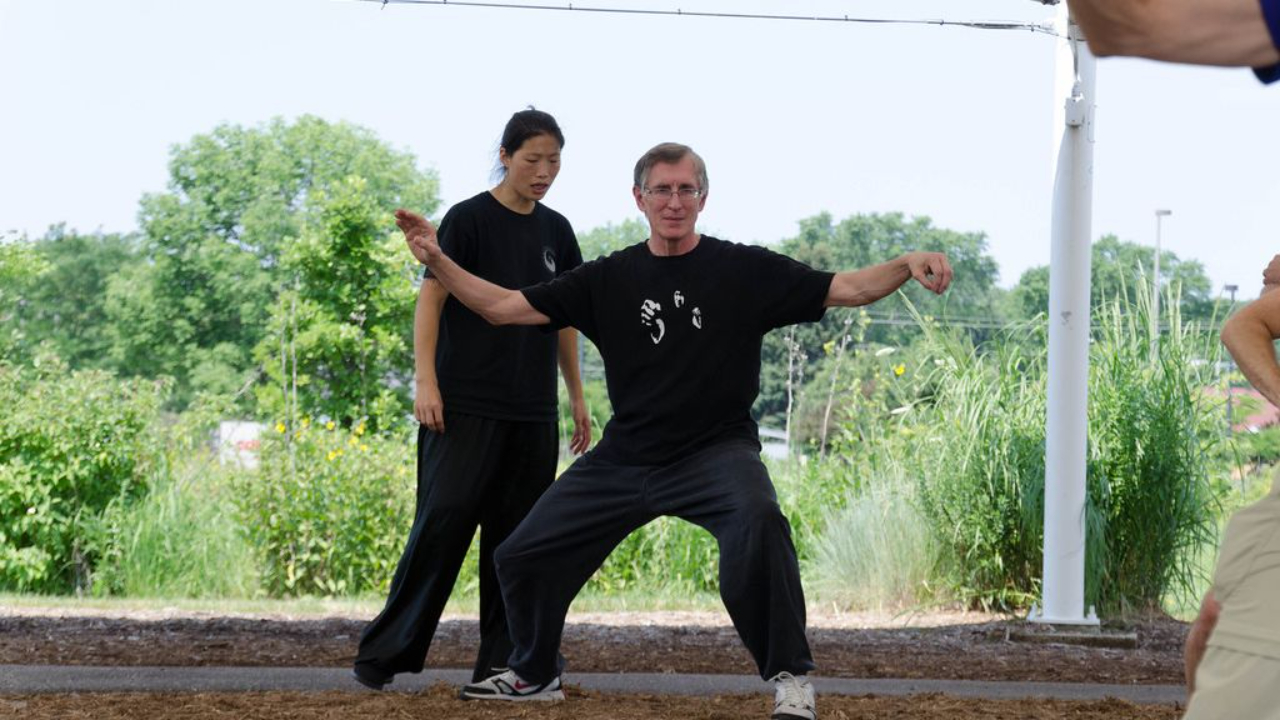
What would you have if you attended a workshop with a highly-skilled member of the Chen family who deepened your understanding of body mechanics, structure and movement, showed fighting applications that amazed you, spoke English to communicate the information, and made the atmosphere joyful and full of laughter as your legs burned and you sweated and grew stronger?
You would have Chen Huixian, the niece and indoor disciple of Chen Zhenglei who lives in the Kansas City area with her husband Michael Chritton, another talented Chen teacher.
I have learned from Chen Xiaowang, Chen Xiaoxing, Chen Bing, Chen Ziqiang, and I admire each of them. I have learned excellent things from them (and especially from their American students/disciples, who studied with them and other teachers) and would study when them again in a heartbeat. I have had some excellent moments with each one. But the two workshops I have done with Chen Huixian are the most satisfying of any of my experiences in martial ...
Write It Down: How to Get the Most Out of Your Teacher's Corrections
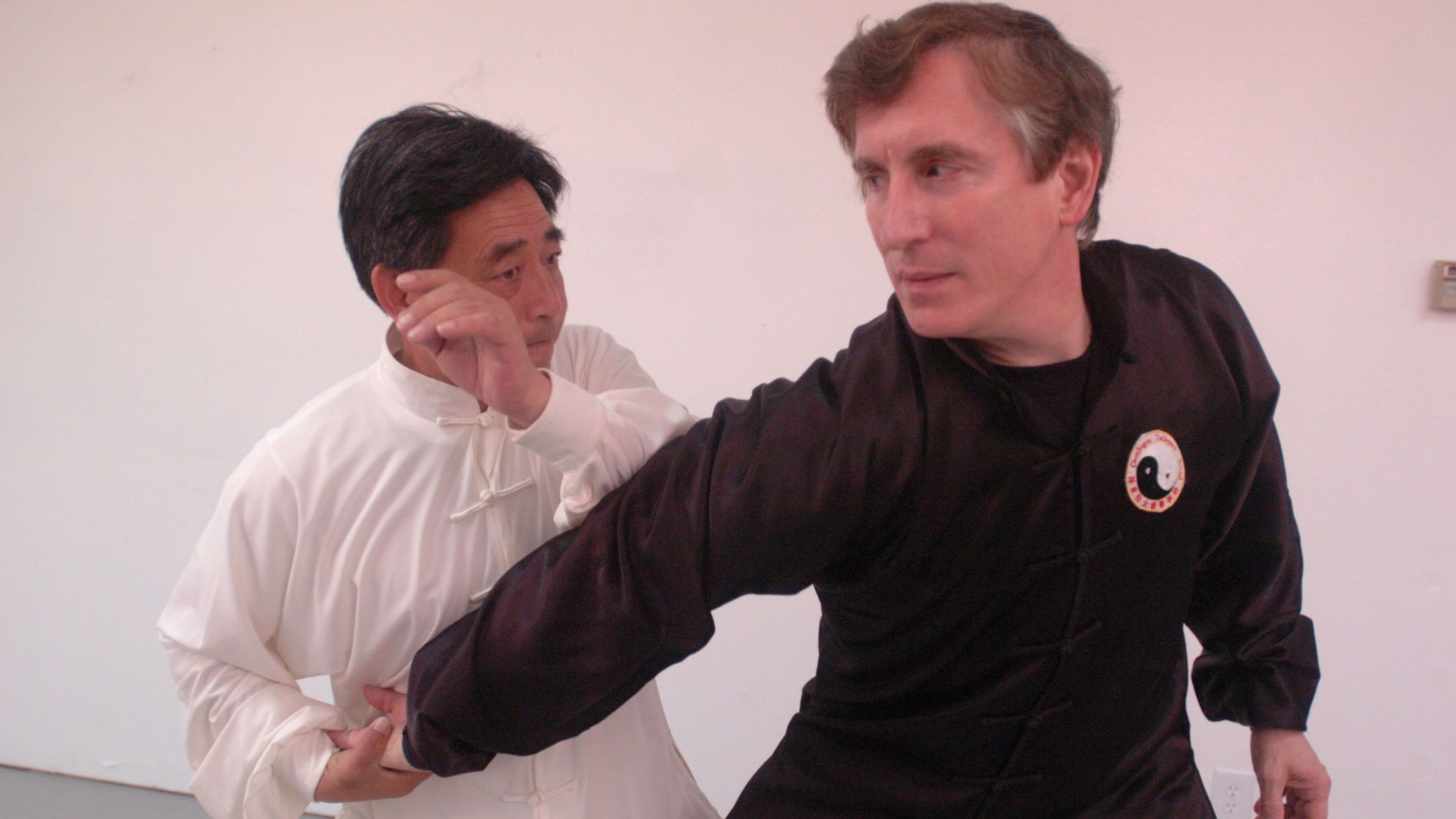
In 2005, I had the opportunity to spend a couple of private days with Grandmaster Chen Xiaoxing. My teacher at the time, the late Mark Wasson, invited me to his home in Livermore, California, for an exclusive opportunity to hang out with him shortly after Xiaoxing arrived in the country for a tour of workshops.
We spent most of the time going through Laojia Yilu, movement by movement. Grandmaster Chen and Mark would watch as I did a movement, then Xaoxing would make comments and gestures, and often hands-on corrections. Mark would listen and watch his comments intently, then interpret with additional instruction.
I was grateful to have such a valuable opportunity.
When I left Mark's home to drive back to San Francisco to the airport, I was a few hours early, so I stopped at a park, went to a table, and started furiously writing notes. I continued on the airplane flying back to the Quad Cities. Starting with the Opening movement, I went step-by-step through the form and wrote down ...
A Fighting Strategy for Self-Defense: Receive and Return

There are seven main fighting strategies in my curriculum. I have begun shooting instruction on these strategies for my website (internalfightingarts.com). I also worked on a pdf document for members of the website to download -- a companion to the video lessons.
The Seven Strategies are:
- Receive and Return
- Lateral Return
- Mutual Striking
- Yield and Overcome
- Control the Center
- Join and Unite
- Instant Resolution
The first one, Receive and Return, is especially useful when I work on sparring with Xingyiquan. It is like pushing on a tree branch. The branch will bend as you push, but when you let go, it will whip you when it springs back.
With Receive and Return, you maintain your distance when your opponent attacks. You move back, load the rear leg, then you spring back when his technique misses its target. You can also spring back between his techniques.
Here are two short clips from tournaments showing me using Receive and Return. In the first clip, a young MMA fighter who h...
Real-Life Self-Defense Story -- the Art of Fighting Without Fighting
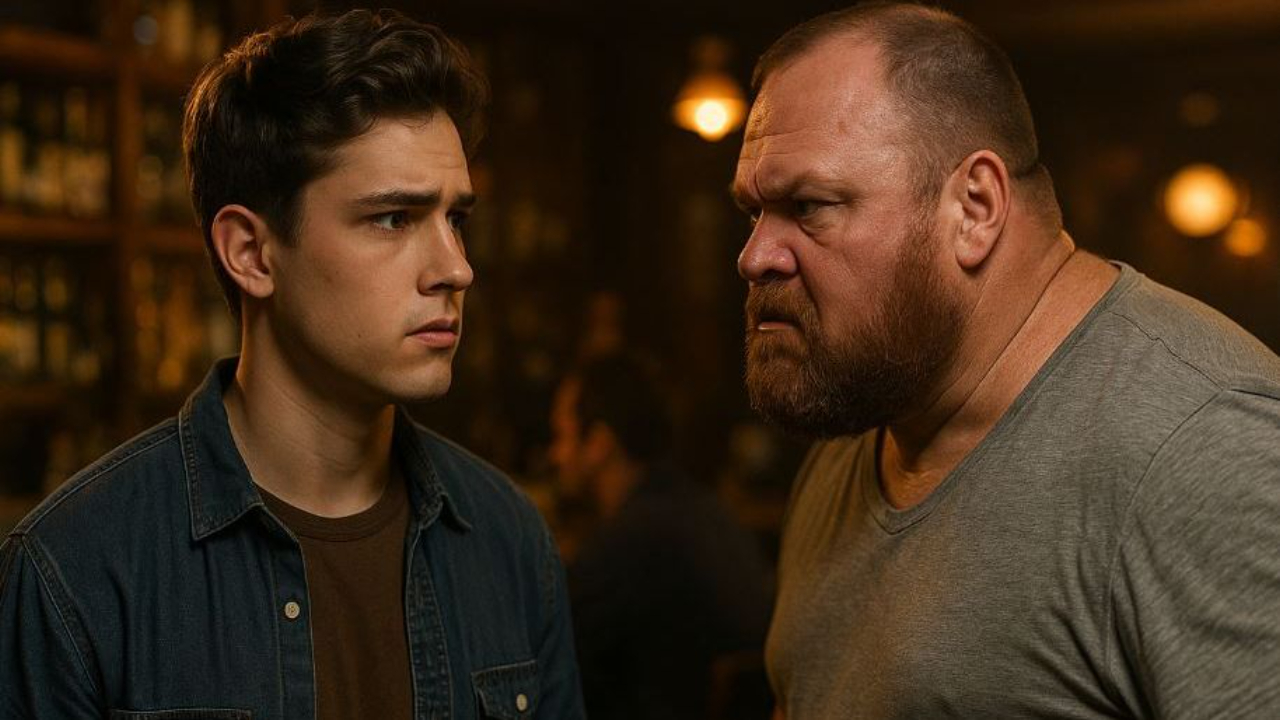
What would you do if a big drunk guy walked up to you and wanted to knock your head off?
It happened to one of my website members recently and he called to tell me what happened.
John was standing in a business and talking to someone when a drunk guy walked in and wanted to fight. The drunk was larger than John, and it was clear that he could do some damage.
Like most guys, John's first reaction was to think about fighting techniques. And as the drunk got more agitated, it seemed that violence was about to happen.
Suddenly, John remembered the recent Internal Fighting Arts podcast with my guest, Dan Djurdjevic. In the interview, Dan talked about "flipping the script," and how it got him out of some potentially violent encounters.
When you flip the script, you say something bizarre to the attacker to throw him off-script; to confuse him.
So just as it seemed that a punch was going to be thrown, John said to the drunk, "Did you see the game last night?"
The drunk looked confused....
An Effective Self-Defense Tactic - Flipping the Script
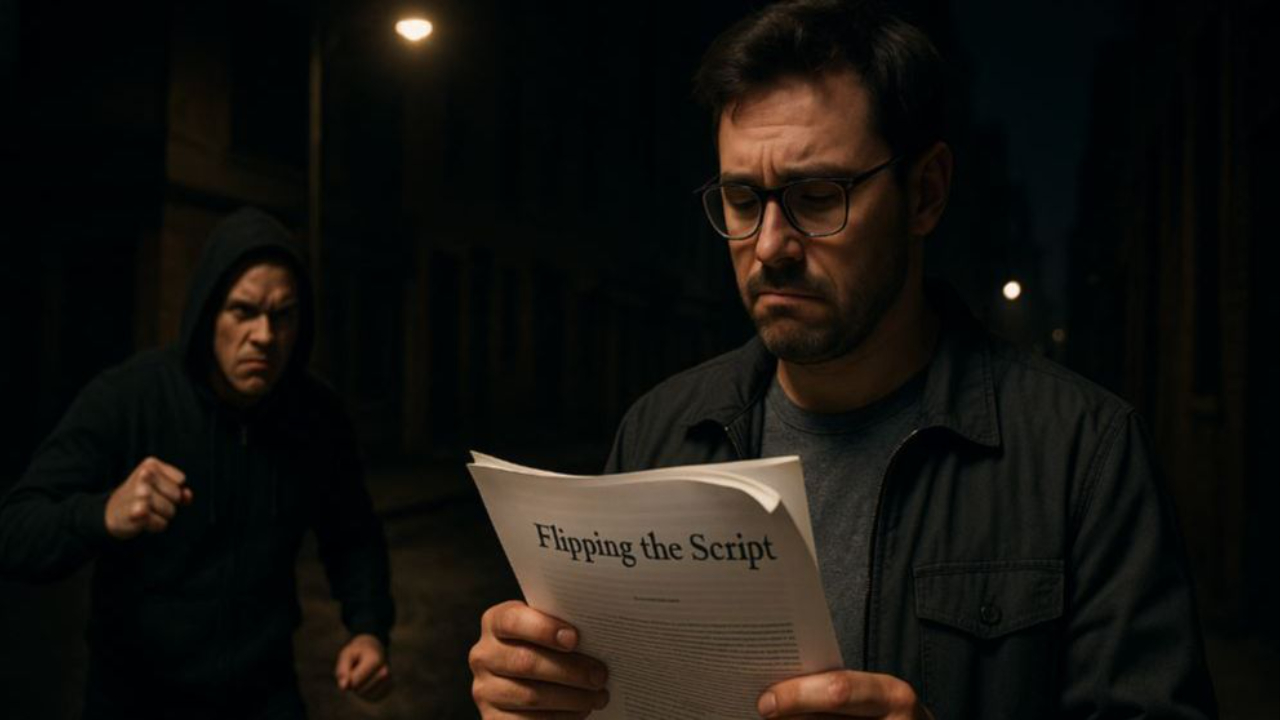
"Hey, what are you looking at?"
Every boy learns to recognize this question. It's one of the first things a bully will say when he chooses you for a target.
It doesn't matter how you answer.
You might say, "I'm not looking at anything."
"What? Are you saying I'm nothing?" the bully will reply.
And then he walks closer. He is ready to fight.
As adults, these types of encounters are not as common, but they do happen. Often, the bully is replaced by someone with more sinister motives -- someone who wants to do us harm.
Dan Djurdjevic is a martial artist from Perth, Australia who has developed the concept of "flipping the script" on someone who is verbally setting up an assault.
You can "flip the script" when you reply to a leading question with something that the potential attacker is not expecting.
For example, he might say, "What are you looking at?"
He is expecting you to be afraid and reply, "Nothing." Then he can continue with his script.
But what if you give him somethi...
Author - Instructor
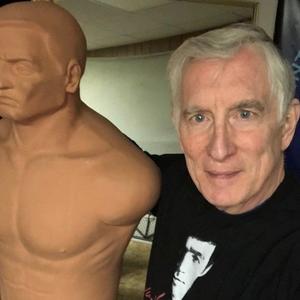
Ken Gullette
I have practiced martial arts since 1973 and began studying the internal arts in 1987. My goal is to cut years off your development time by coaching you in the real skills for high-quality Tai Chi, Xingyi, Bagua. To see more about my bio, click the "About Ken" link on the menu at the top of this page.
Stay connected with news and updates!
Recent Posts
Categories
All Categorieschen taiji fighting applications
chen xiaowang straight sword form
critical thinking in martial arts
does tai chi make you live longer?
full contact vs point sparring
how to succeed in martial arts
how to use chi kung in daily life
how to use qigong in daily life
internal fighting arts podcast
ken gullette on kung fu conversations podcast
mindset of successful martial artist
principles of body mechanics in martial arts
the myth of longevity in tai chi
understanding tai chi energies
what is body method in tai chi