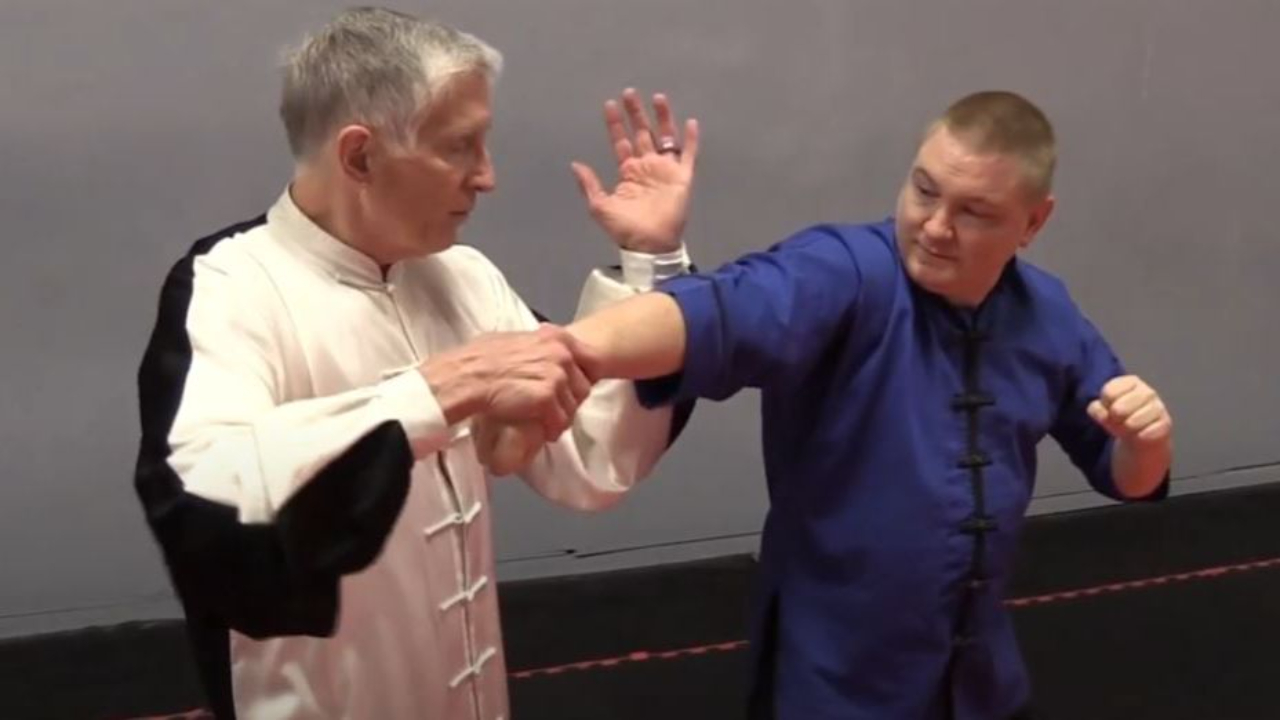
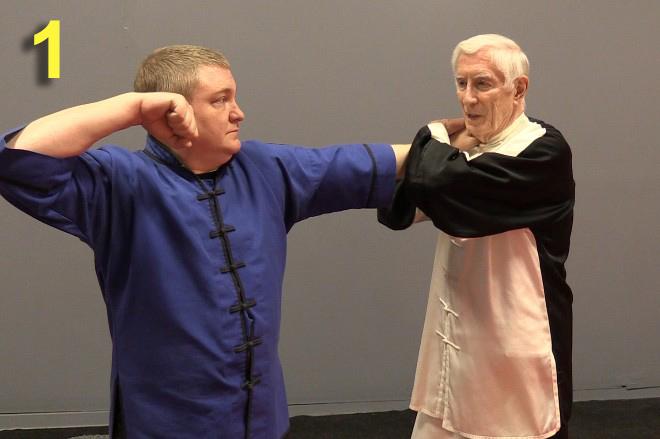
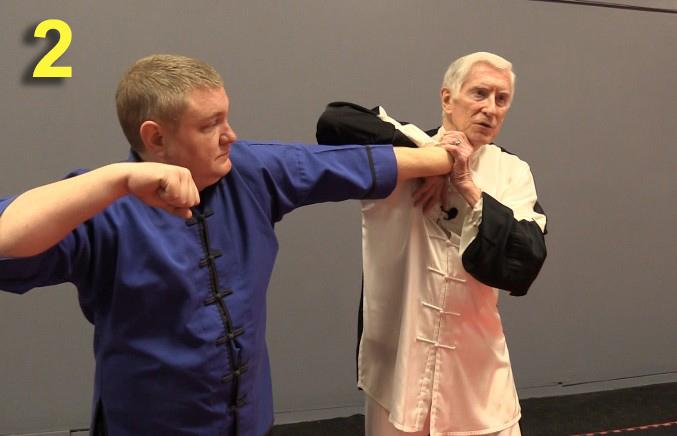
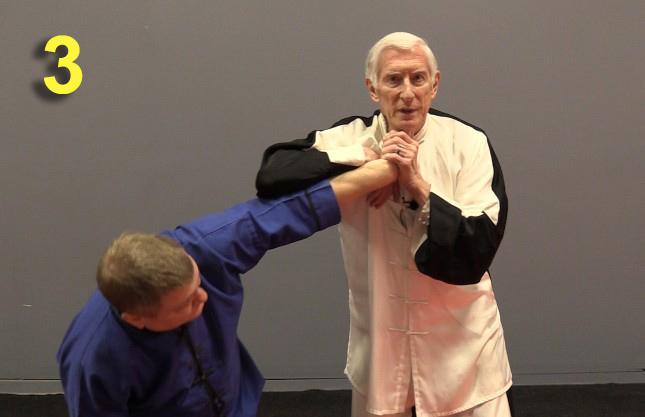
Tai Chi Energies Part 5 - Zhou Jin is Not Just An Elbow Strike
|
|
|
|
|
|
Try Two Weeks Free and Get Step-by-Step Training in Taiji, Xingyi and Bagua from Basic to Advanced Skills with No Mystical Mumbo-Jumbo
More than 850 Video Lessons and Downloadable pdf documents -- and You Get It All During Your Free Trial!
Click this Button to Learn More and Watch a Video!
Author - Instructor

Ken Gullette
I have practiced martial arts since 1973 and began studying the internal arts in 1987. My goal is to cut years off your development time by coaching you in the real skills for high-quality Tai Chi, Xingyi, Bagua. To see more about my bio, click the "About Ken" link on the menu at the top of this page.
Stay connected with news and updates!
Recent Posts
Categories
All Categorieschen taiji fighting applications
chen xiaowang straight sword form
critical thinking in martial arts
does tai chi make you live longer?
full contact vs point sparring
how to succeed in martial arts
how to use chi kung in daily life
how to use qigong in daily life
internal fighting arts podcast
ken gullette on kung fu conversations podcast
mindset of successful martial artist
principles of body mechanics in martial arts
the myth of longevity in tai chi
understanding tai chi energies
what is body method in tai chi