Should Martial Arts Students Just Be Quiet and Do What They are Told?
There was an interesting comment online last week. An internal martial artist (I'm not sure if he is a teacher or not) said that when students begin studying, they should not ask questions. They should understand that they do not know enough to ask questions. Instead, they should do what their teacher tells them to do, over and over until they progress for a while.
He said that ego makes us think we need to know more than our teacher is telling us, and we need to "let it go" and follow. Just follow, and all things will become clear in time.
I could not disagree more.
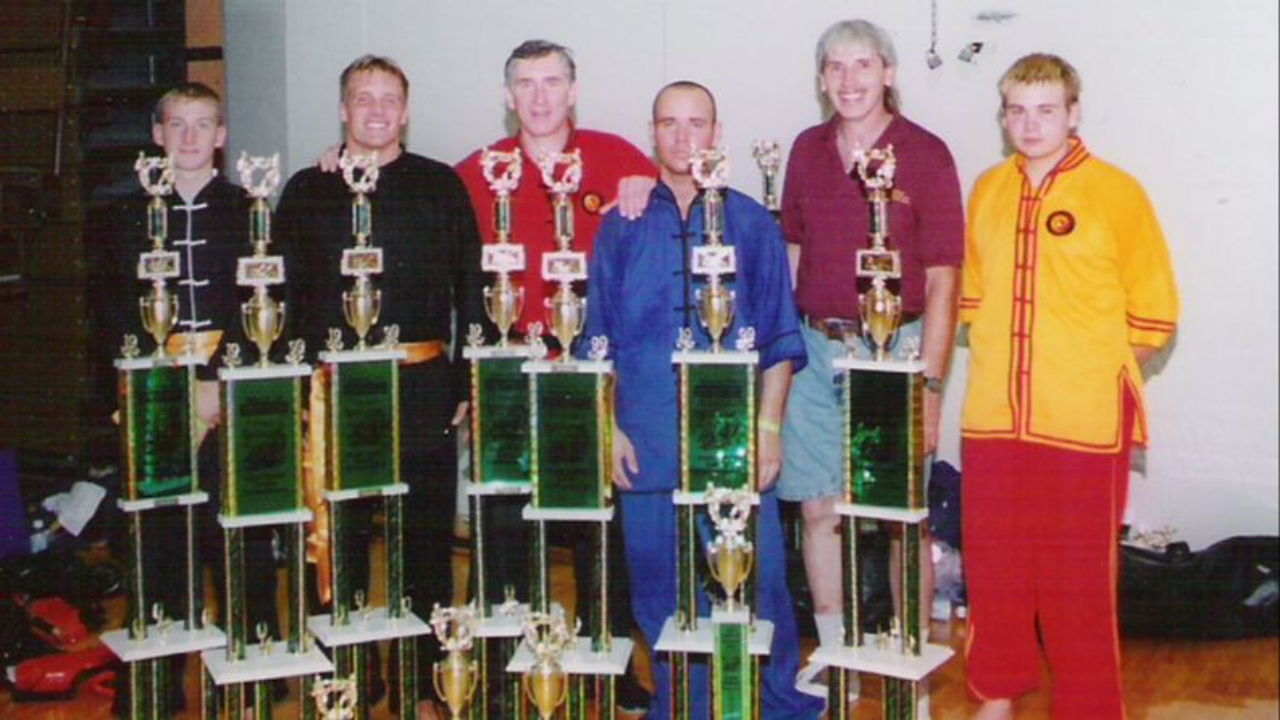
I first began teaching at a small fitness center in Iowa. Rich Coulter and Chad Steinke were among my first students. They were both teenagers at the time, and when they walked in, they sized me up like hired guns. It was my first week as a teacher -- October, 1997.
As I showed both of them basic techniques that I taught at the time -- corkscrew punch, sunfist punch, front snap kick, roundhouse kick, etc. -- they woul...
Tai Chi Ebook - Self-Defense Using the Chen 19 Form
I have written an ebook with 239 photos and detailed instruction for 106 self-defense applications that are found in the short Chen Taiji 19 Form. The ebook is titled Chen Taiji Self-Defense - Fighting Applications from the Chen Family Tai Chi 19 Form. It is available on the Amazon Kindle store for $4.99 and will play on any device with the free Kindle app installed.
The Chen 19 Form was designed by Chen Xiaowang in 1995. He was asked by students around the world for a shorter form to fit into their busy daily lives. Also, in my opinion, I believe he wanted to provide a Chen family answer to the Simplified Yang 24 Form that has become the most popular Tai Chi form in the world.
The Chen 19 Form takes about 5 to 6 minutes to perform if done slowly -- less time if you do it with power and speed. It is based primarily on the longer form, Laojia Yilu. Movements are a bit conservative, with less obvious silk-reeling, than the Chen 38 or Xinjia forms. This is the first form that I teach...
Should We Fear Death - A Philosophical Taoist's View
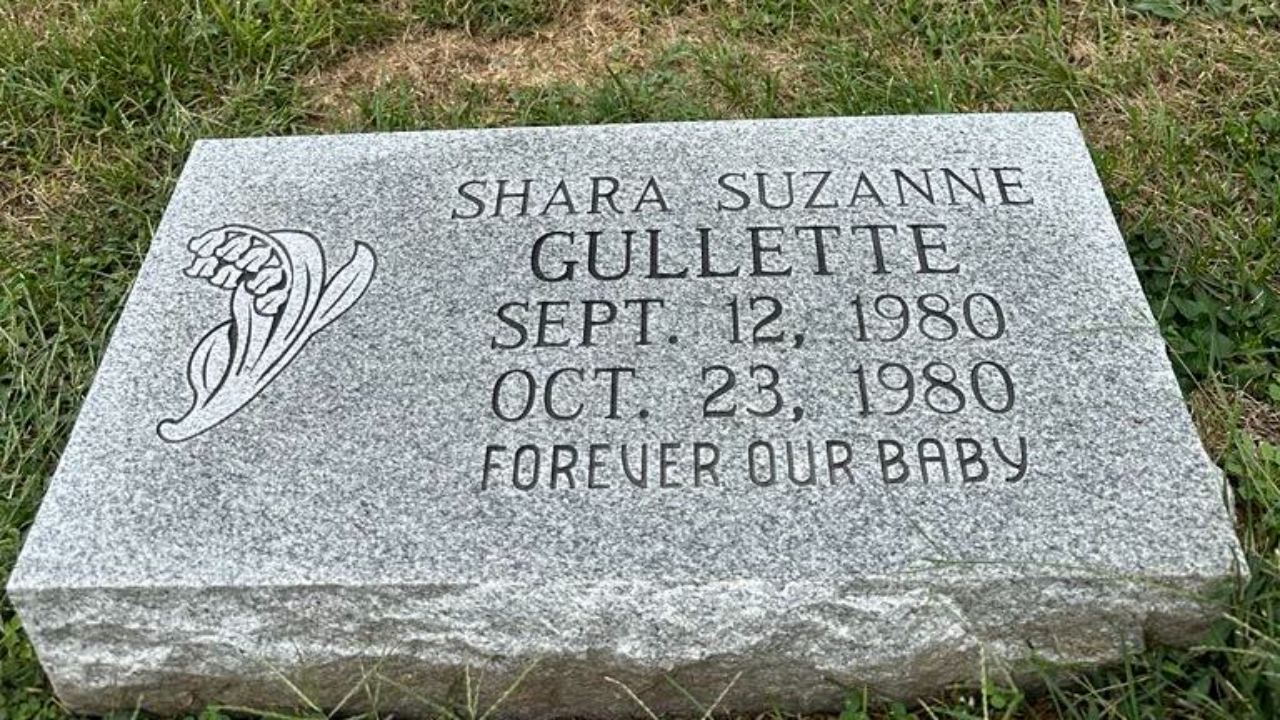
Since I lost the function of my left lung a few years ago, and was told that my heart would wear out within three to five years, the reality of "The End" has been close in a way that can only be understood if you have been given a timetable for your own mortality.
A few weeks ago, when I was told that I was essentially "in heart failure," reality again tapped me on the shoulder.
Also in recent weeks, I have had some interesting debates with a devout Christian friend of mine who believes, I suppose, that I will be cast in the lake of fire since I don't believe Jesus was divine. The way I feel about death is probably a foreign concept to a Christian -- just as their beliefs, the beliefs I grew up with, are now foreign to me.
After 40 years of embracing Eastern philosophies, particularly philosophical Taoism, I can only explain how I feel about death in the following paragraphs.
The moment you were born into this life you cried.
So did I. Everyone does. The doctor pulls us into the...
Chen Ziqiang and the Fighting Applications of Push Hands

I've been looking for an opportunity to attend a workshop on push hands applications with Chen Ziqiang for several years. They play rough in the Chenjiagou Taiji School, where he is vice-principal and head coach, and I have heard of his reputation as a tough guy for about 9 years. The recent TV broadcasts of some of his sanshou matches were tutorials on effective Taiji fighting principals. What I appreciate most is his ability to "bump" an opponent, getting them off-balance just long enough to close the trap.
Chen Ziqiang is a direct descendant of the creator of Taiji, Chen Wangting. His father is Chen Xiaoxing. His uncle is Chen Xiaowang. His great-grandfather was Chen Fake.
It did not look promising three weeks ago for me to attend this workshop, when my cardiologist told me that I am considered to be "in heart failure." After losing my left lung four years ago, my heart was expected to weaken -- ...
The Difference Between Fighting and Practicing a Martial Art
I received an interesting email from a website member in the United Kingdom. It started as a discussion about Hsing-I and the relationship of the Five Fist Postures to the 12 Animals. It went on from there to discuss the evolution of fighting movements into art.
In our 21st Century, MMA-obsessed culture, traditional arts are often criticized or brushed off as ineffective. That's pure B.S. of course, another one of those "my style is better than your style" type of arguments.
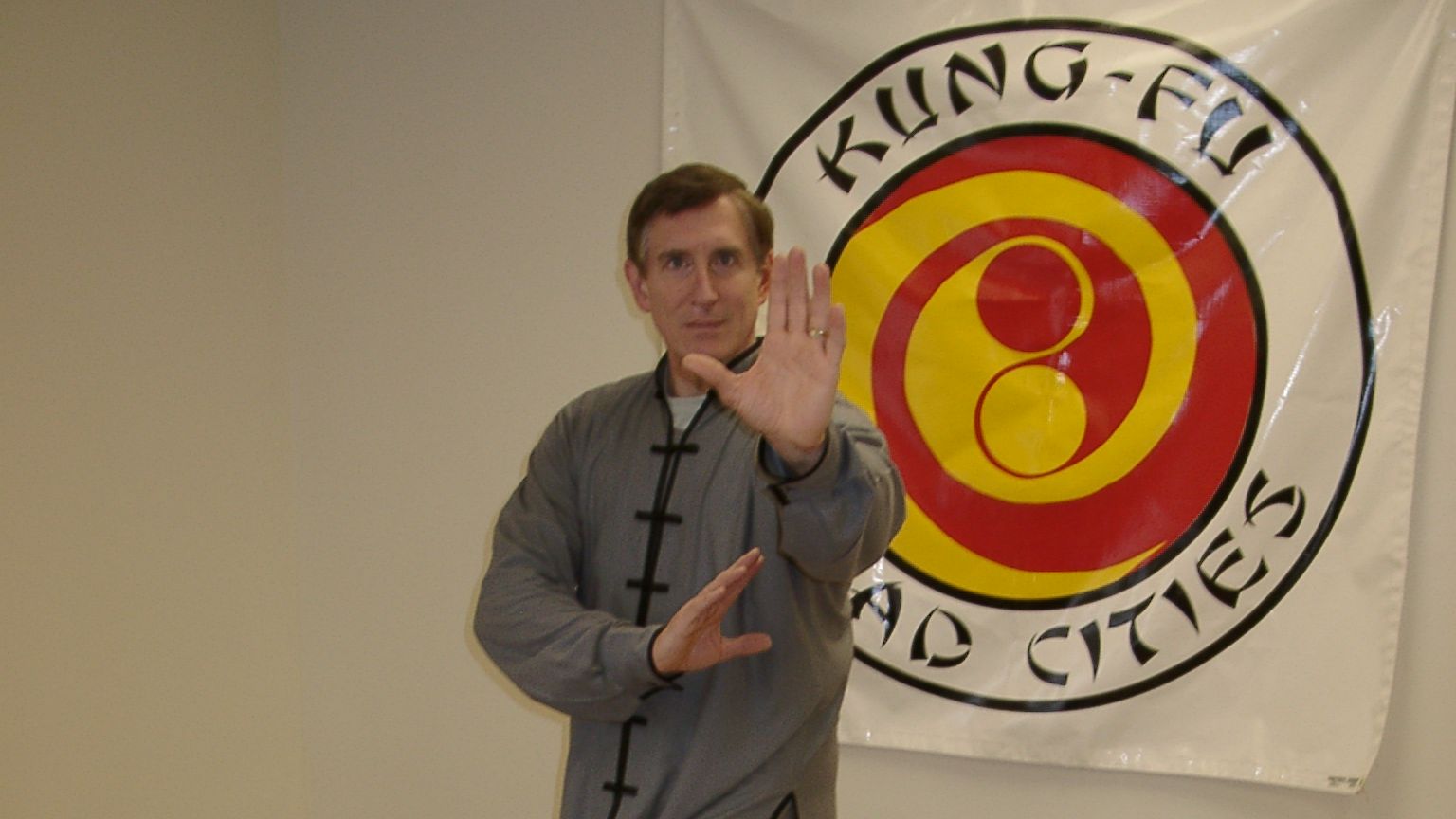
These are called martial "arts" for a reason. The styles that I study are internal martial "arts." The movements in Hsing-I, Tai Chi and Bagua can be used for fighting, but the word "art" is part of the name. Over the past 40 years of practicing, the reason has become more clear to me.
Let's look at a movement in the Bagua Swimming Body form called "Black Dragon Slashes Its Tail." It's part of the 3rd section of the form. I just put a long video lesson up on the website last week with detailed instruction. ...
Press Energy and One of Its Meanings
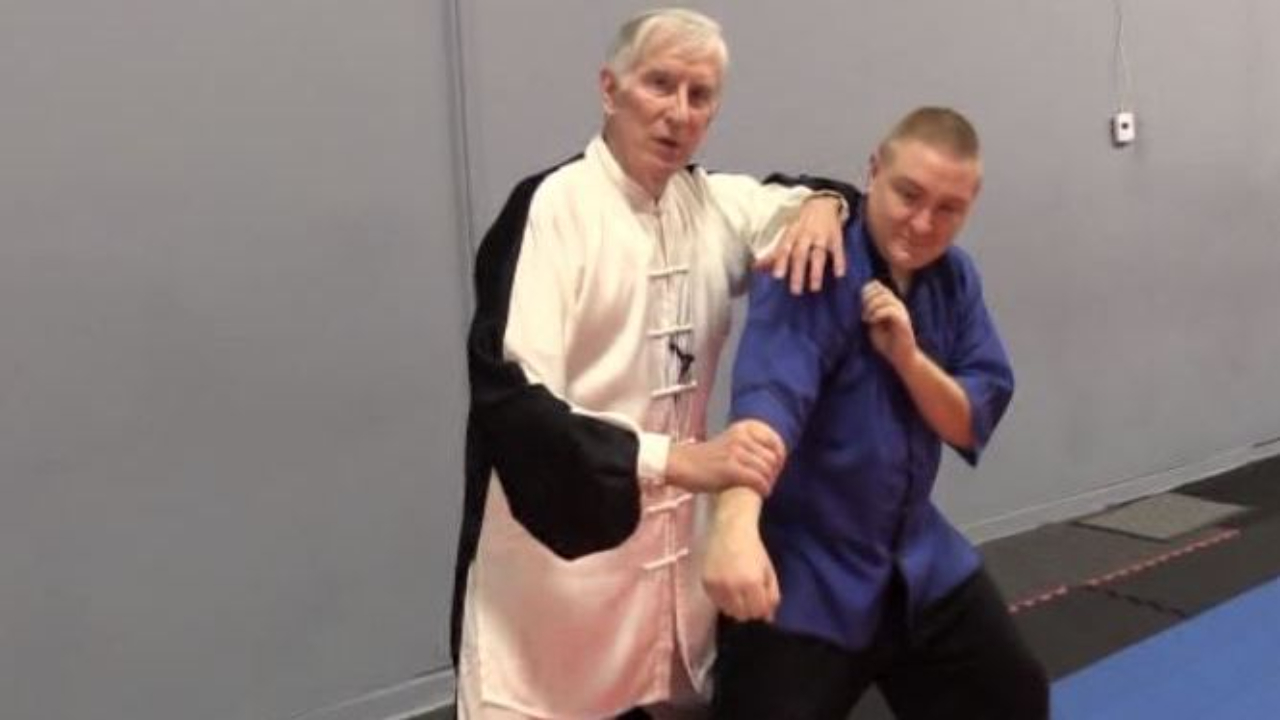
When I first studied Tai Chi, I learned about Ward Off (Peng), Roll Back (Lu), Press (Gi, pronounced "jee"), and Push (An, pronounced "On").
We were told there are eight primary "energies" in Tai Chi.
On the rare times we did fighting applications, we thought of Press as a pressing outward type of movement, as in the top photo on the left.
But Press has a different quality. With this "energy," you crowd your opponent. One way this is done in Bagua and Taiji is to deflect incoming force and position yourself close enough to your opponent
that he is unable to defend. At this point, you are set up to do what you need to do.
In the middle photo, I am doing a movement from the Bagua Swimming Body form called "Black Dragon Slashes Its Tail." My partner has punched and I have moved in as the punch was deflected. I am now close enough to do a palm strike, a shoulder bump, a leg technique, and more.
In Taiji you can do this while pushing hands, too. During the double hand routines...
Which Art Would You Use in a Fight?
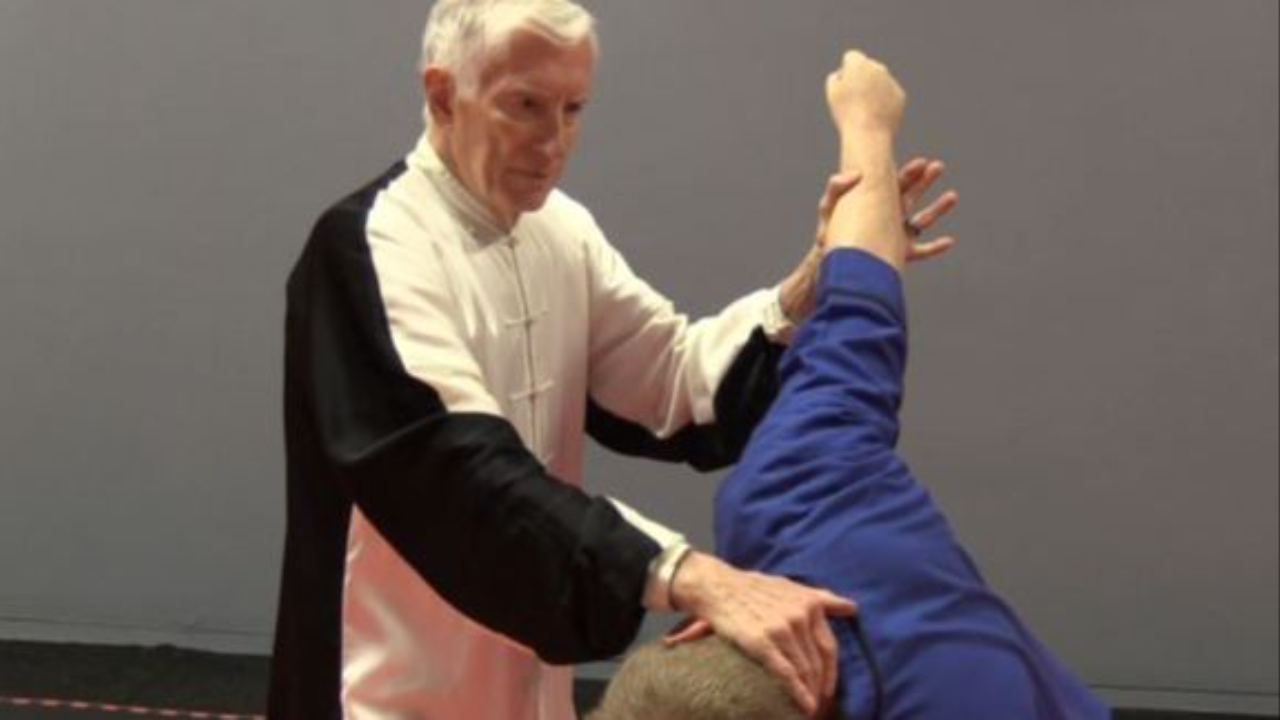
I have been asked this question many times over the years, in different ways. This morning I received an email and it was worded this way (the email is italicized):
Firstly, I enjoy your site. Thanks for sharing your knowledge and experience.
Each of 3 internal arts approaches the problem of self-defence in a different way. By learning all 3 arts does this promote a confusion in response to an attack- a mental freeze caused by having too many options.
I would imagine that the response would be determined by which response has been imprinted on "muscle memory" the most. If this is the case then does learning all 3 arts inhibit a quick response or at least not help.
On the other hand do all 3 arts feed off each other in some way which helps each one to improve? How do all 3 internal arts work together? Are they independent responses or interdependent?
Or do all 3 arts combine in a unique way in each individual so that in a self defence situation the response is tailor made by ...
Chen 19 Form - New Ebook Teaches Chen Tai Chi Short Form Step-by-Step
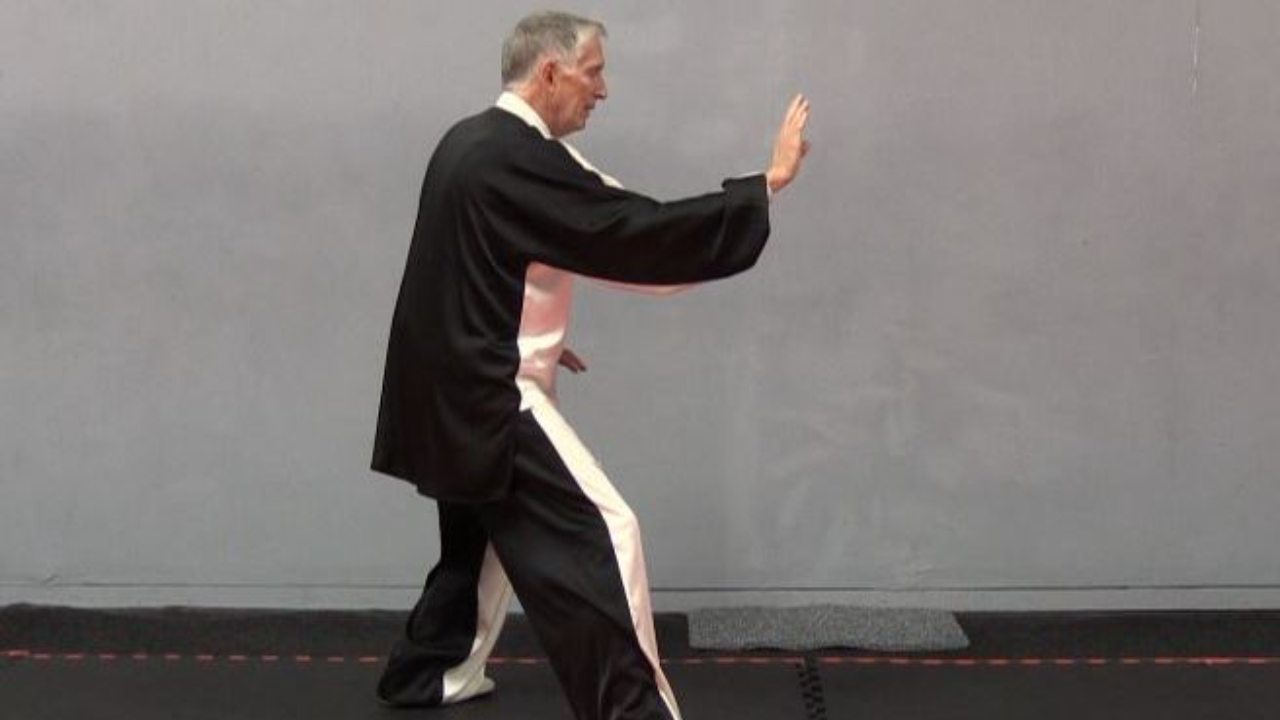
How many times have you looked at a martial arts book that teaches a form (kata) and find that you are confused about how to get from one movement to the next -- little "transions" are left out of the photos?
And how many times have you been disappointed that the instructions for the movements lack depth? Step out with your left foot is not always helpful when more is supposed to be happening inside your body.
This is why I am putting the forms I teach into ebooks. The new ebook is called Chen Taijiquan 19 Form - Detailed Step-by-Step Reference for the Short Beginner's Form of Chen Tai Chi. It includes more than 200 photos -- almost a frame-by-frame breakdown of the form. In fact, I was flipping through the pages fast on my iPad and it almost looked like a movie.
I also discuss the body mechanics and direction the Dan T'ien is rotating, where the ground path should be felt, and other details that are almost impossible to find.
The Chen 19 Form was created by Grandmaster Chen Xiao...
Tai Chi Self-Defense - There Are No Transitions in Tai Chi
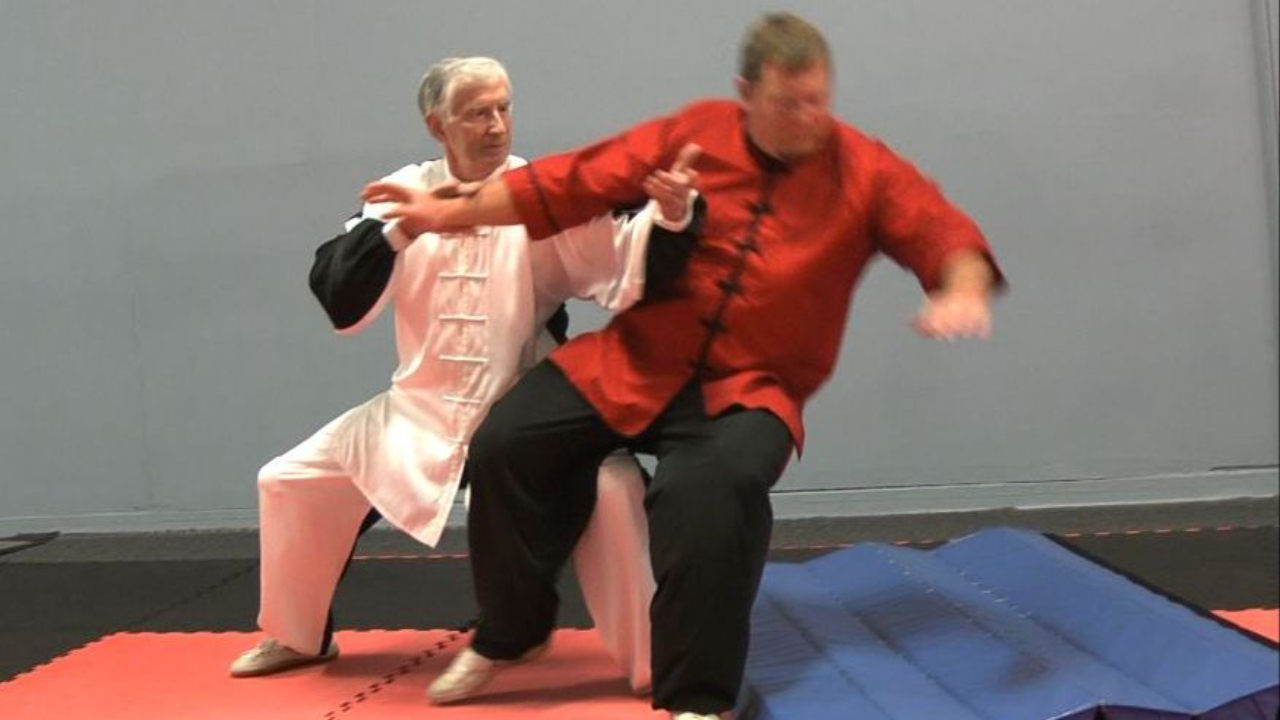
When I was first learning Tai Chi, the word "transition" was used often. Holding the Ball was a transition into Part the Wild Horse's Mane. Circling the arms was a transition for Brush Knee Step Forward. After changing teachers and styles, I learned a simple truth:
There are no transitions in Tai Chi.
As I later learned, a self-defense application is built into every movement in Tai Chi. Every movement.
No matter where your hands and feet are, a fighting application is there.
Here is a case in point, one of 108 self-defense applications demonstrated through 259 photos in my new ebook, Yang Tai Chi 24 Form Self Defense. The ebook is only $4.99 through Amazon Kindle -- a great reference for those who practice Yang style Tai Chi, particularly the 24 Form.
Let's say that someone comes up behind you and grabs your shoulder, preparing to punch your lights out. Now, this could even be done from a clinch position or against a punch, but I'm showing this particular set-up as a way to d...
Do You Have These Eight Qualities of a Great Martial Arts Student?
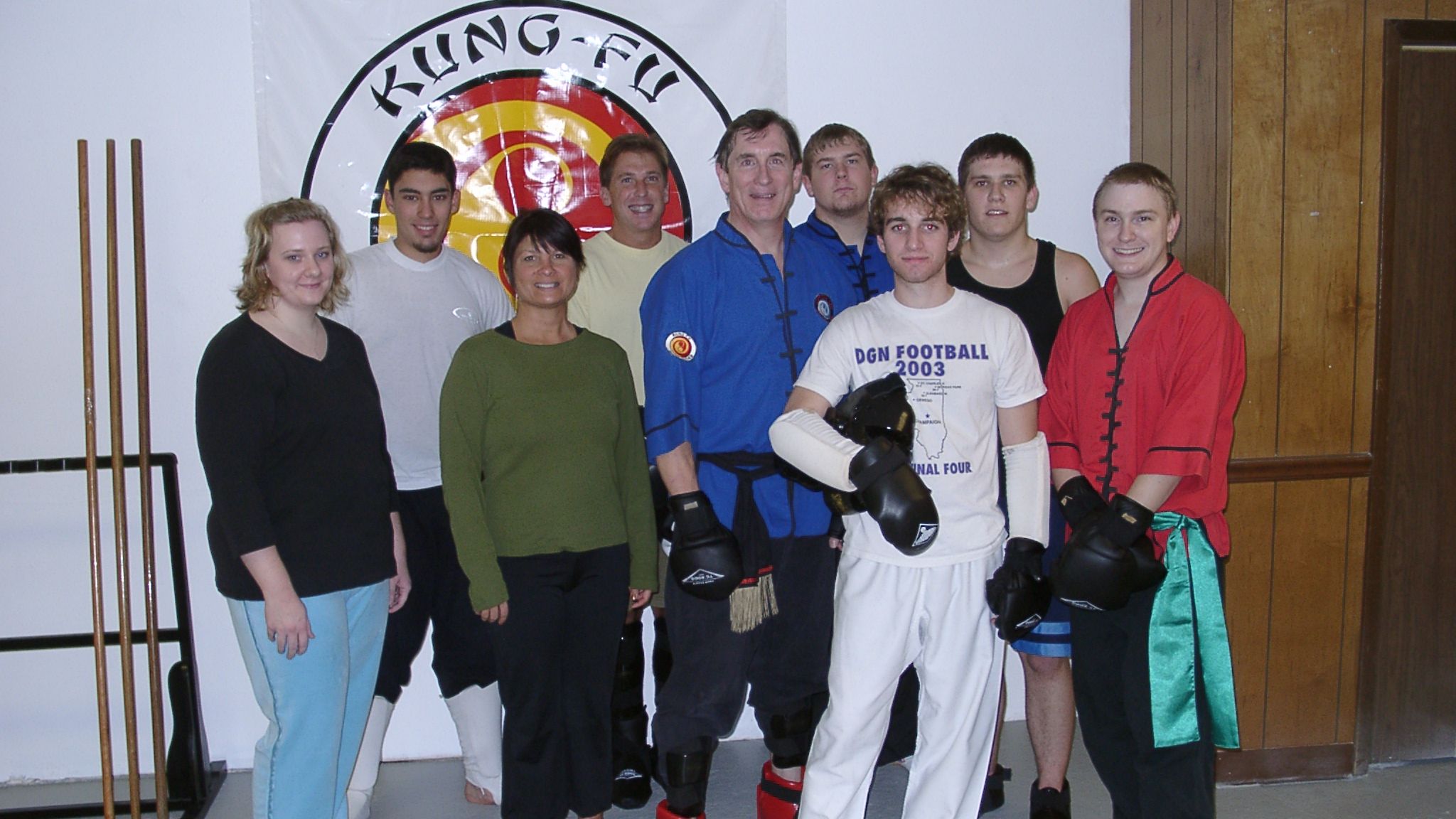
When I began teaching, I was practicing and teaching Yang Tai Chi, Hsing-I, Bagua and Qigong. Questions from students made me study harder and do research, and I found some glaring holes in the curriculum of the style I was teaching. That ended up to be a good thing because it led me to Chen Tai Chi.
As I taught for a while, I realized there are qualities that great students bring to class that make it a lot more enjoyable for the teacher -- qualities that indicate the student is serious about the martial arts and will become a great martial artist.
Here are my Top 8 Qualities of a Great Martial Arts Student:
1. Empty Your Cup. One thing a teacher does NOT like t...
Author - Instructor

Ken Gullette
I have practiced martial arts since 1973 and began studying the internal arts in 1987. My goal is to cut years off your development time by coaching you in the real skills for high-quality Tai Chi, Xingyi, Bagua. To see more about my bio, click the "About Ken" link on the menu at the top of this page.
Stay connected with news and updates!
Recent Posts
Categories
All Categorieschen taiji fighting applications
chen xiaowang straight sword form
critical thinking in martial arts
does tai chi make you live longer?
full contact vs point sparring
how to succeed in martial arts
how to use chi kung in daily life
how to use qigong in daily life
internal fighting arts podcast
ken gullette on kung fu conversations podcast
mindset of successful martial artist
principles of body mechanics in martial arts
the myth of longevity in tai chi
understanding tai chi energies
what is body method in tai chi