In the Concrete Jungle of Chicago, a Flower of Kindness Blooms

Rob and Kathryn Swarczewski of the Chicago area deserve a salute. In a city that has a reputation as a dangerous place, they showed two strangers -- Nancy and me -- kindness and generosity. Here is the story.
I rarely find myself in a situation where I have no idea what to do. It is unknown territory. I am always confident I can handle any situation. Like water, I'll find a way around an obstacle.
But when United Airlines left Nancy and me twisting in the wind in Chicago last week, I was at a loss.
We were flying home from Philadelphia, where we spent four days seeing sights and, while Nancy went shopping, I spent four hours each day at a great Taijiquan workshop by Nabil Ranné, who had flown in from Germany.
The first leg of the return flight on Monday evening, May 16 was from Philly to Chicago. Due to severe weather, we sat in the plane on the tarmac for nearly 90 minutes in Philly before taking off. We were supposed to change planes at O'Hare for the trip home to Moline, but sev...
Hands-On Instruction at a Chen Taijiquan Workshop with Nabil Ranne

I spent four days this past week studying Chen Taiji with Nabil Ranné in Philadelphia. The workshop was hosted by Ryan Craig of Philly Chen Taiji.
Nabil came to the U.S. from Berlin for the workshop. I have been studying in his online classes for almost two years, so it was a pleasure to finally meet him in person. He is friendly and humble; one of those people you instantly like.
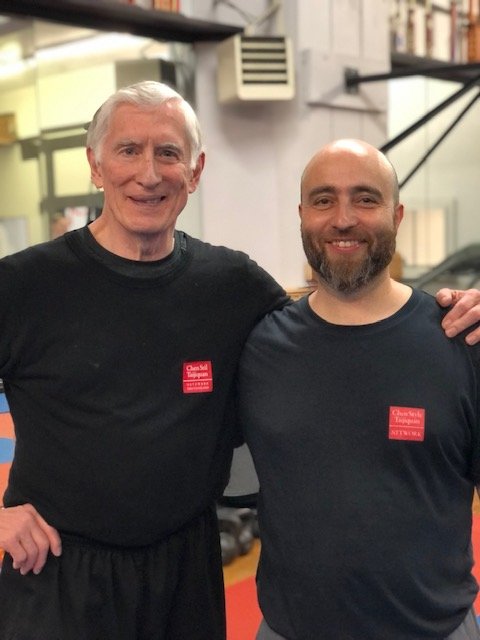
During the past two years, Covid virtually destroyed the ability to hold workshops. Just getting together with a group of taiji folks was reason enough to celebrate.
I have attended many martial arts workshops during the past 35 years. Depending on who is hosting the event, you can either feel a spirit of camaraderie or it can feel like people gather in cliques.
In Philly, there was a lot of laughter. Nabil brings a sense of humor to his classes and Ryan joined in. That's all I needed -- to be serious about the art but to have fun training. Those are ideal conditions for me.
We trained four hours a da...
Escaping from Joint Locks Using Tai Chi Energy Concepts
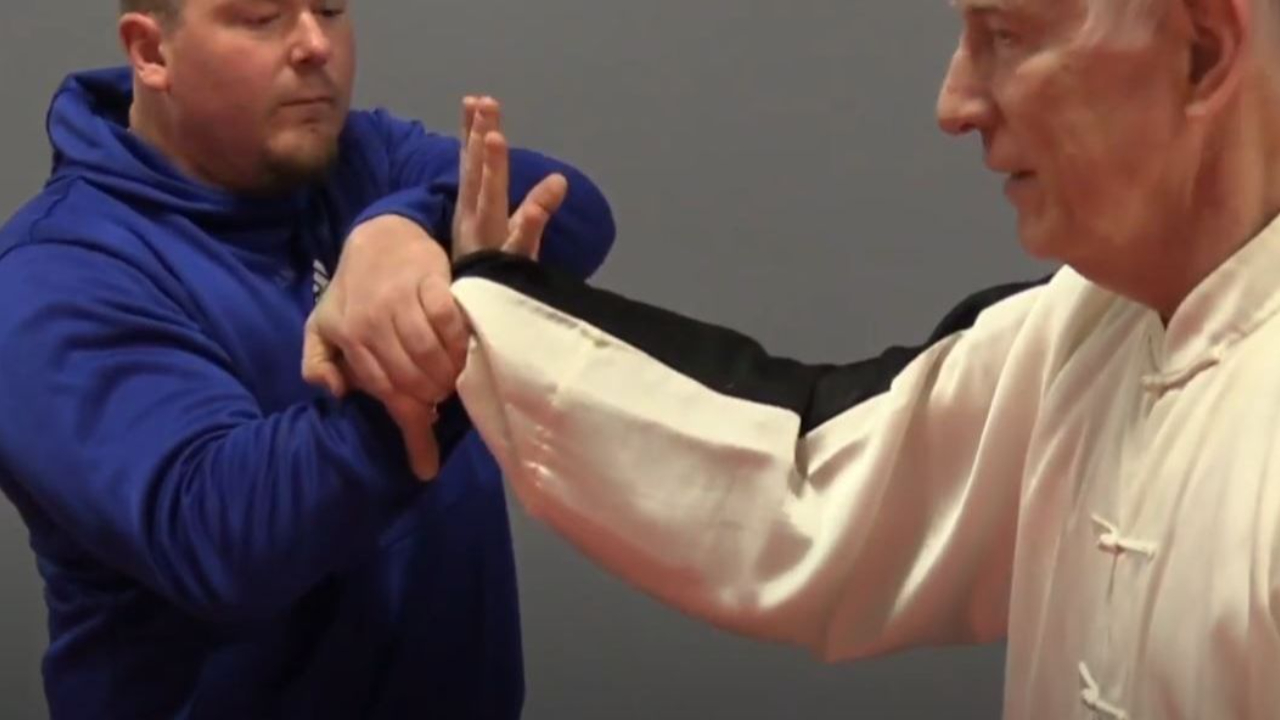
There are valuable concepts in Taijiquan that make it a powerful art for self-defense. One of the interesting ideas is "taking the energy where it wants to go."
Last week, Colin and Justin and I recorded several escapes from Chin-Na joint locks. A longer version with more techniques and explanations is on my website for members, but I put together a shorter version for YouTube.
We are very serious about the internal arts but we have a lot of fun when we practice. I think it shows a bit on the videos we do. Please watch this and you'll learn something about how to escape from a joint lock. Silk-Reeling energy is very helpful against joint locks, and silk-reeling relies on other internal body mechanics, too. This is a narrowly focused video. It doesn't necessarily show how to "soften someone up" before escaping, or what to do as a follow-up, but the information here will be helpful in the real world.
A Tai Chi Mistake to Avoid - "Swimming Knees"
Taijiquan (Tai Chi Chuan) is a lifelong journey. It can take years to develop skill. That's why it helps to have a teacher who has skill and will coach you in a constructive way.
One of my goals as a teacher is to save time for my students and help them discover information that took me many years to learn.
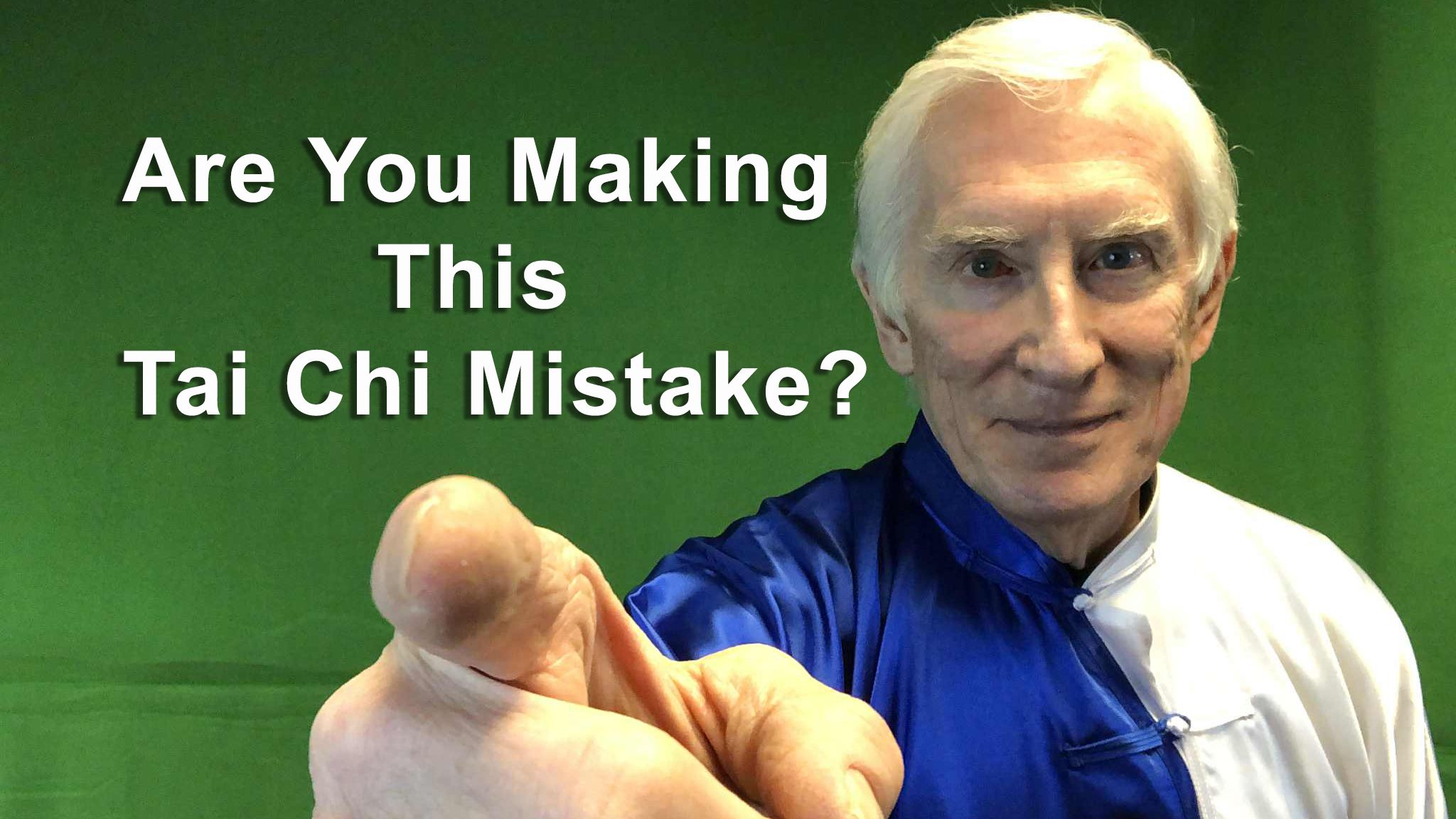
Here is a video I made last week about a common mistake we all make until a good teacher tells us to stop doing it.
It's the problem of swimming knees. I encourage you to watch this video, then watch yourself in a mirror or record your own movement to see if it is something you need to work on.
Four Takedowns from Four Tai Chi Movements

Here is a short video showing and explaining some of the body mechanics to four takedowns in four different movements from Chen style Taijiquan.
I am fascinated at all the self-defense applications in movements that often appear slow and gentle. Taiji (Tai Chi) is practiced slowly to develop proper internal body mechanics. There is a method of developing skill that later involves push hands, then flowing with a partner in unscripted ways, and then incorporating joint locks, sweeps, takedowns, elbow and shoulder strikes and other fighting techniques.
The takedowns come from these four movements:
- Lazy About Tying the Coat
- Walking Obliquely
- Punch the Ground
- Single Whip
Enjoy this video. We shot in on Sunday and I edited it today. Let me know if you have questions.
Dial Down the Paranoia about Defending Yourself "On the Street"
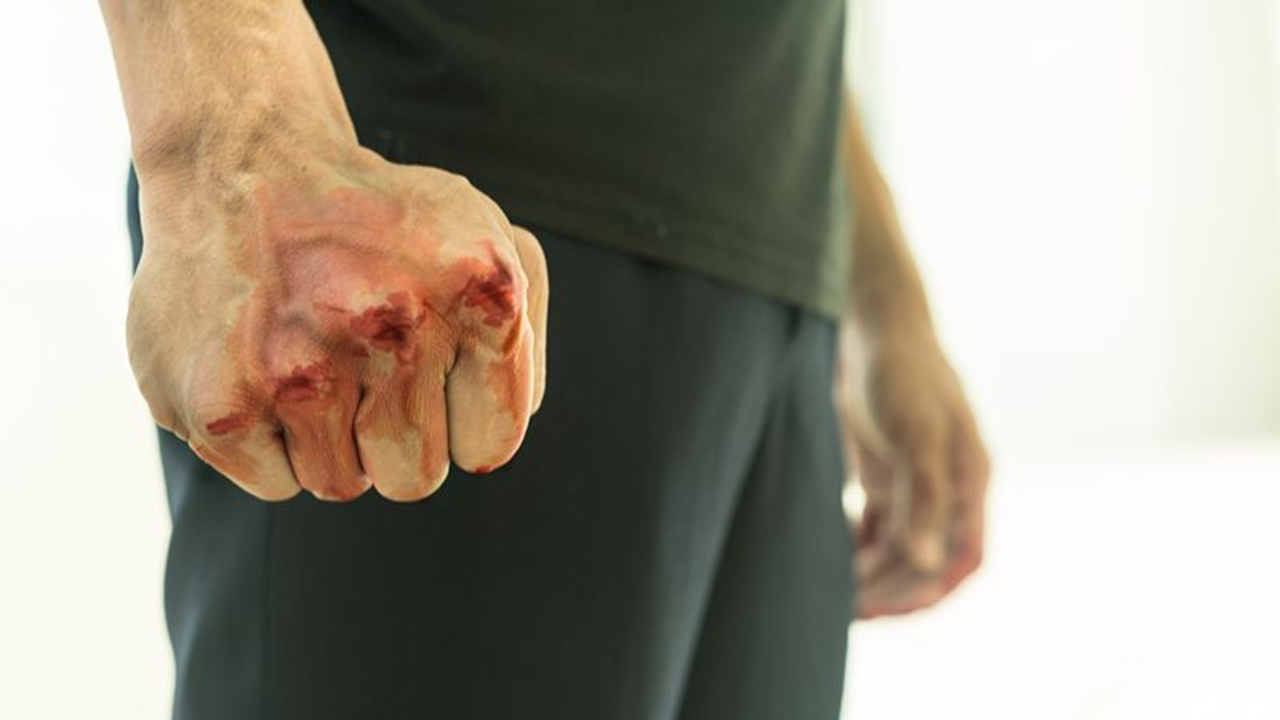
Have you been in a physical fight with anyone since you turned 18 years old?
Here's another question: In your adult life, have you ever been in a "street fight?"
Have you ever been in a situation when another grown-up was trying to damage you physically?
The truth about most adults is that they have never been in a real fight at all. But self-defense instructors and MMA enthusiasts are obsessed with the need to protect yourself "on the street."
When I hear the term "defending yourself on the street" I think of two gangs colliding for a brawl with sticks, chains and brass knuckles. Like "West Side Story" without all the dancing and singing. Let's face it, if your gang runs around singing and dancing, you might deserve to be beaten up.
I saw an interesting graphic online recently and it showed the main martial art practiced by UFC champions who fought matches in the ring.
The top martial art for ring fighting was wrestling. That's right. A college wrestling champ would have a good...
A Vision of the Final Moments of Life and the Two Questions on My Mind

I received some tough news from my pulmonologist last week. Dr. Wong showed me the CT scan taken in December, when I spent four nights in the hospital because of a large blood clot in my left lung. The blood thinners I had been taking since June, when the clots developed, had not worked in this one case, and the clot was so big, it was threatening the blood supply to the left lung. Just a trickle of blood was getting in.
After we looked at the scan, he said this is major. If the blood clot is not reduced through the use of the blood thinners during the next six weeks, he will refer me to the Mayo Clinic, where I will be evaluated and it is possible they will put my heart on a bypass machine, go into the lung and clean out the clot. The evaluation will tell Mayo whether my heart is likely to withstand the operation.
"This is major," the doctor said. "But you have been through major things before."
These are the times when the practice of centering is not just theory. This is when it ...
I am a Guest on the Talking Fists Podcast - Talking Chen Taijiquan
I was asked by Ryan Patrick St. George to appear on his "Talking Fists" podcast. I said, "Sure. When?" And he replied, "How about now?"
So we got on Zoom and talked for a while about training in two different "branches" of Chen style Taijiquan -- the Chen Village branch and the Chen Yu branch under Nabil Ranne.
Listen to the Talking Fists podcast episode via this link. It's also available through your favorite podcast distributor.
Top 10 Chen Style Taiji Movements to Practice in the Hospital
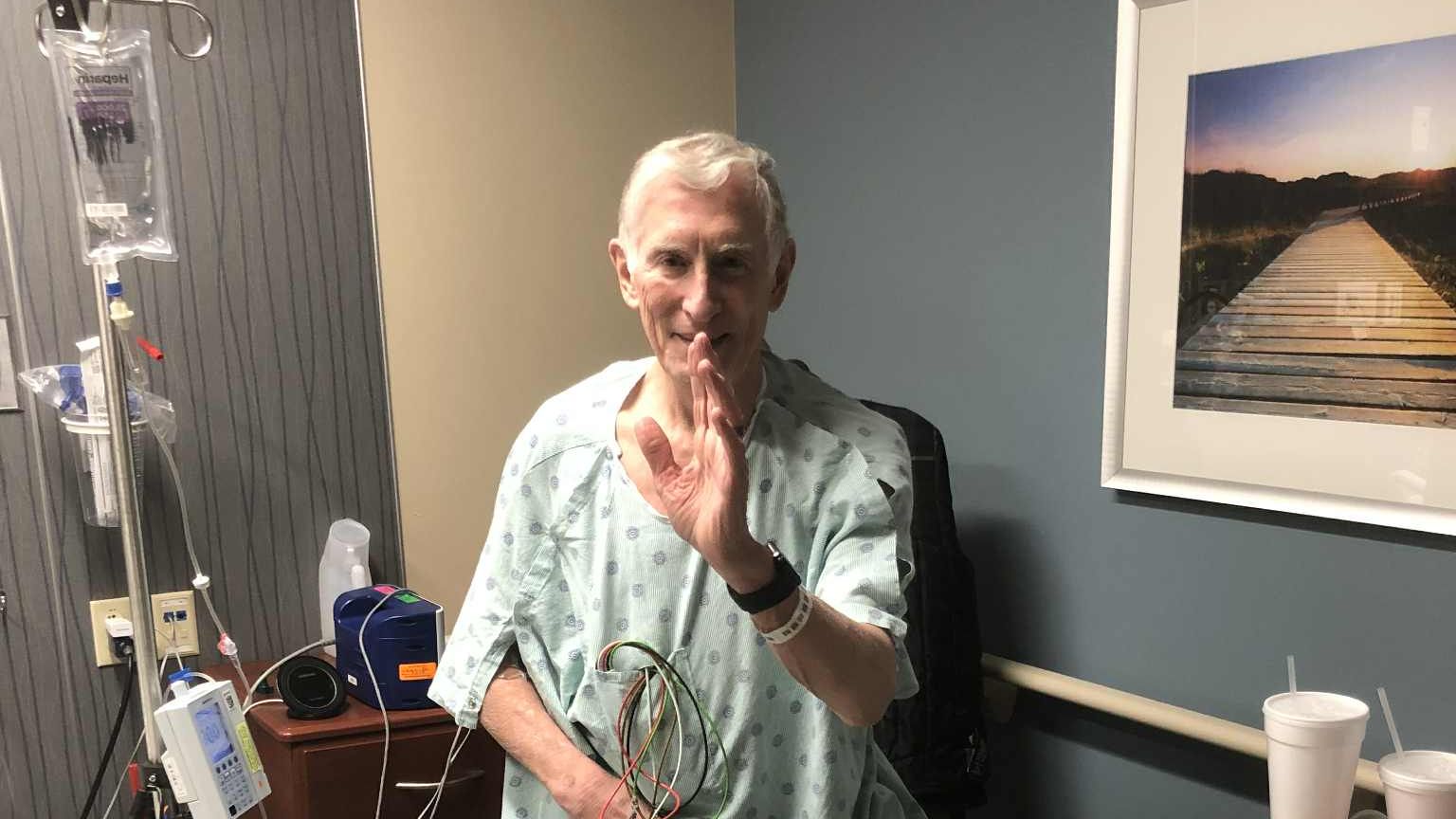
A few months ago, I developed several blood clots in my left lung. I spent five days in the hospital and was put on blood thinners.
I used to think that blood thinners dissolve blood clots, but they don't. Instead, they keep the clots from getting larger and then the body breaks down and absorbs the clot over time.
So I have been on warfarin for the past five months and I went in last Thursday for a follow-up CT scan to see if they had gone away.
Instead, a clot had grown larger and it was threatening the blood flow to the left lung. Because of past bleeding issues, my doctors and I had been too conservative on the level of warfarin in my system, so the warfarin did not stop this clot from growing. It's strange because I have been teaching all along and taught two classes on Wednesday with no unusual problems. But due to the CT scan results, I was told to go to the hospital...again. It's a serious health situation.
In the past few days, I have been stuck with needles every few ho...
Interactive Video - You Choose the Tai Chi Fighting Application
I am experimenting with interactive videos. Here is my first one. Please watch it and let me know what you think. It allows you to choose which application you will see for the opening movement in a Taiji form.
Author - Instructor

Ken Gullette
I have practiced martial arts since 1973 and began studying the internal arts in 1987. My goal is to cut years off your development time by coaching you in the real skills for high-quality Tai Chi, Xingyi, Bagua. To see more about my bio, click the "About Ken" link on the menu at the top of this page.
Stay connected with news and updates!
Recent Posts
Categories
All Categorieschen taiji fighting applications
chen xiaowang straight sword form
critical thinking in martial arts
does tai chi make you live longer?
full contact vs point sparring
how to succeed in martial arts
how to use chi kung in daily life
how to use qigong in daily life
internal fighting arts podcast
ken gullette on kung fu conversations podcast
mindset of successful martial artist
principles of body mechanics in martial arts
the myth of longevity in tai chi
understanding tai chi energies
what is body method in tai chi