Kao Jin - Bump - Is Great for Close-Up Self-Defense
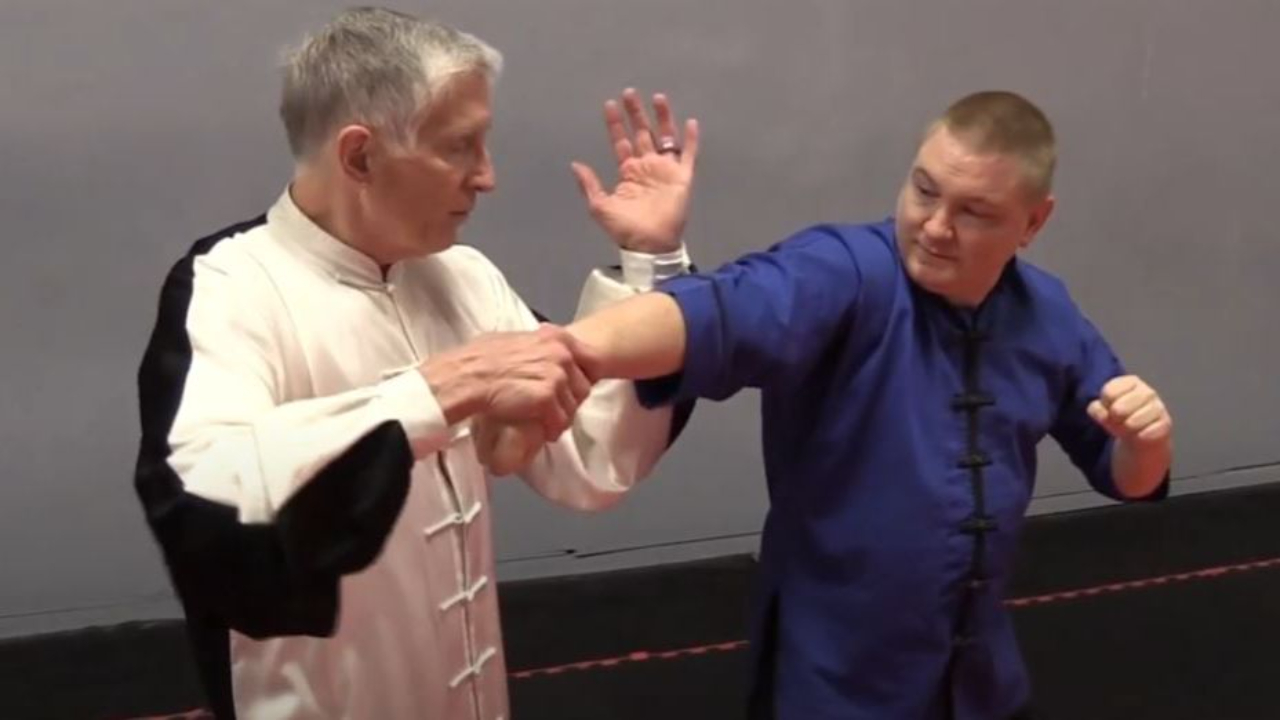
Kao Jin is often called "Shoulder" energy.
It's more accurate to call it "Bump."
Kao Jin is a whole-body force expressed through body-to-body contact at very close range.
It's a structural takeover of someone's space.
If you "shoulder" someone, the shoulder is just the delivery point. The engine behind it is the ground connection and aligned structure.
Kao Jin can be performed with many parts of the body, including the shoulder, the chest, torso, hips, and legs.
Kao is whole-body force that enters and displaces an opponent by using body contact to take their line, break their balance, and move their mass without relying on arm extension.
You get your body where his body doesn't want you to be by entering his space. There is no wind-up and no visible effort. A good Kao steals your opponent's vertical integrity.
Chen Ziqiang is very good at Kao. He uses it -- often with his chest -- to unbalance his opponent long enough to take him down another way.
One of my favorite uses ...
Tai Chi Energies Part 5 - Zhou Jin is Not Just An Elbow Strike
|
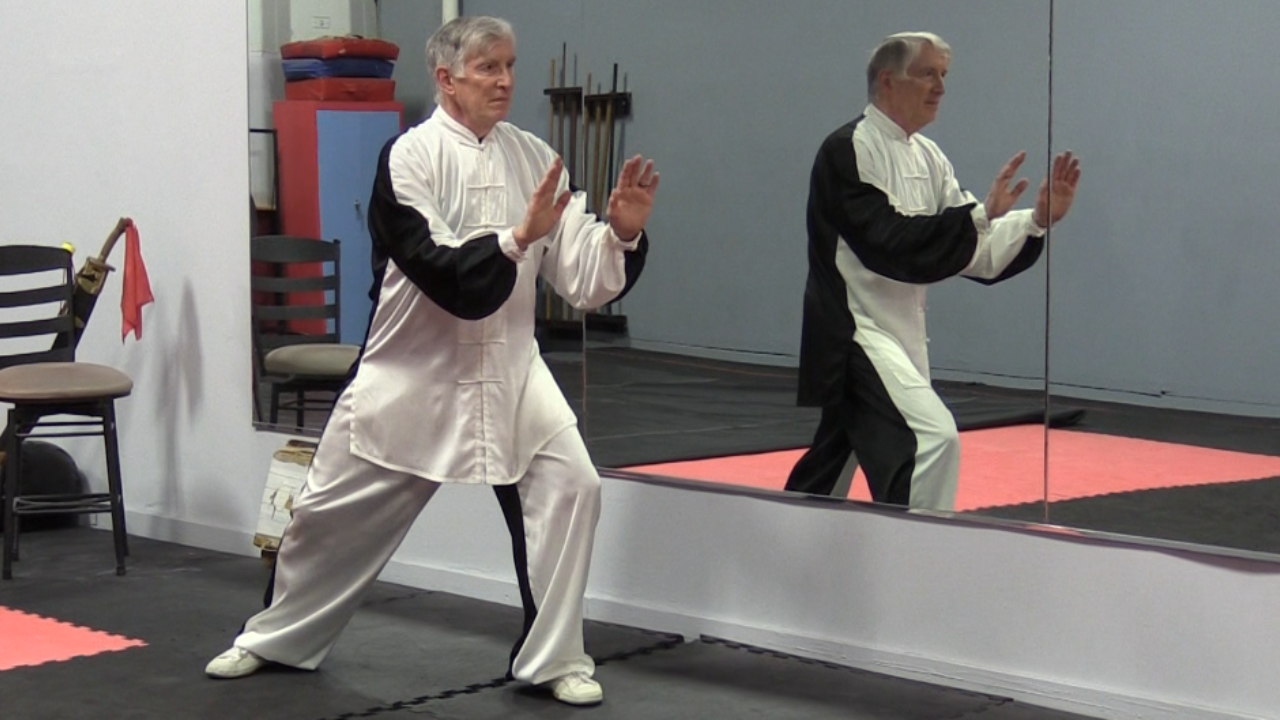
Tai Chi "Energies" Part 4 - A Deeper Dive Into Tai Chi's An Jin - "Push Energy"
|
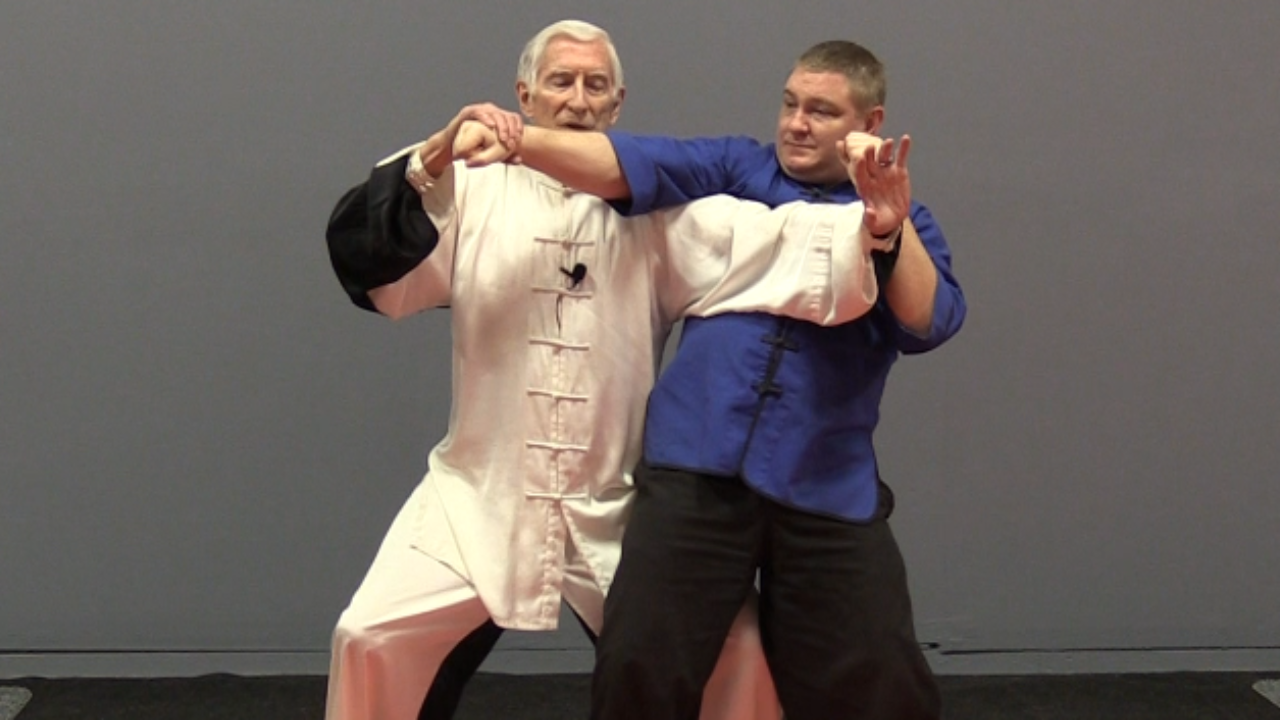
Tai Chi Energies Part 3 - Pressing Forward with Ji Jin - Press Energy
Three days ago I turned 73 years old. That's kind of a shocking number, then I realized that I still feel the same as I did when I was 72, and in my head I still feel like I'm 20. So we carry on.
The last couple of blog posts have focused on the first two Taiji "energies," Peng Jin and Liu Jin.
In this post, I'm looking at Ji Jin, or "Press" energy.
These Tai Chi energies are actually "methods" of dealing with force.
A lot of people believe Press is just like it's shown in the Yang style form -- you are pressing on someone with your hands pressed together. I Googled "Tai Chi Press" and got this picture. This is from a Yang form such as the Yang 24.
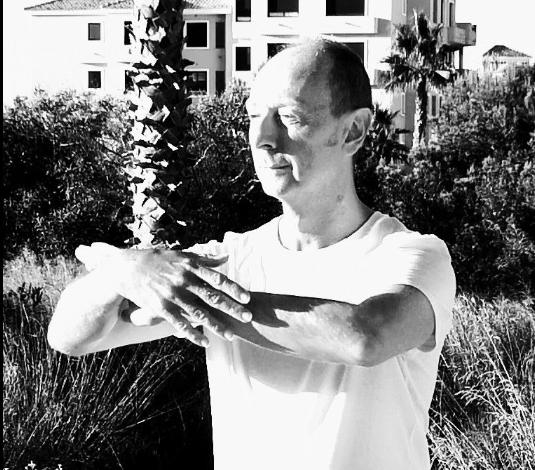
But that isn't really Ji Jin. That is simply a posture. The actual Jin is more complex, but the application of it is an excellent self-defense technique.
Ji means "to crowd, press together, squeeze into."
A good summary of Press energy would be: "The art of entering and narrowing space, crowding until your opponent has no room to d...
Tai Chi Energies Part 2 - A Deeper Look at Lu Jin - Roll Back Energy
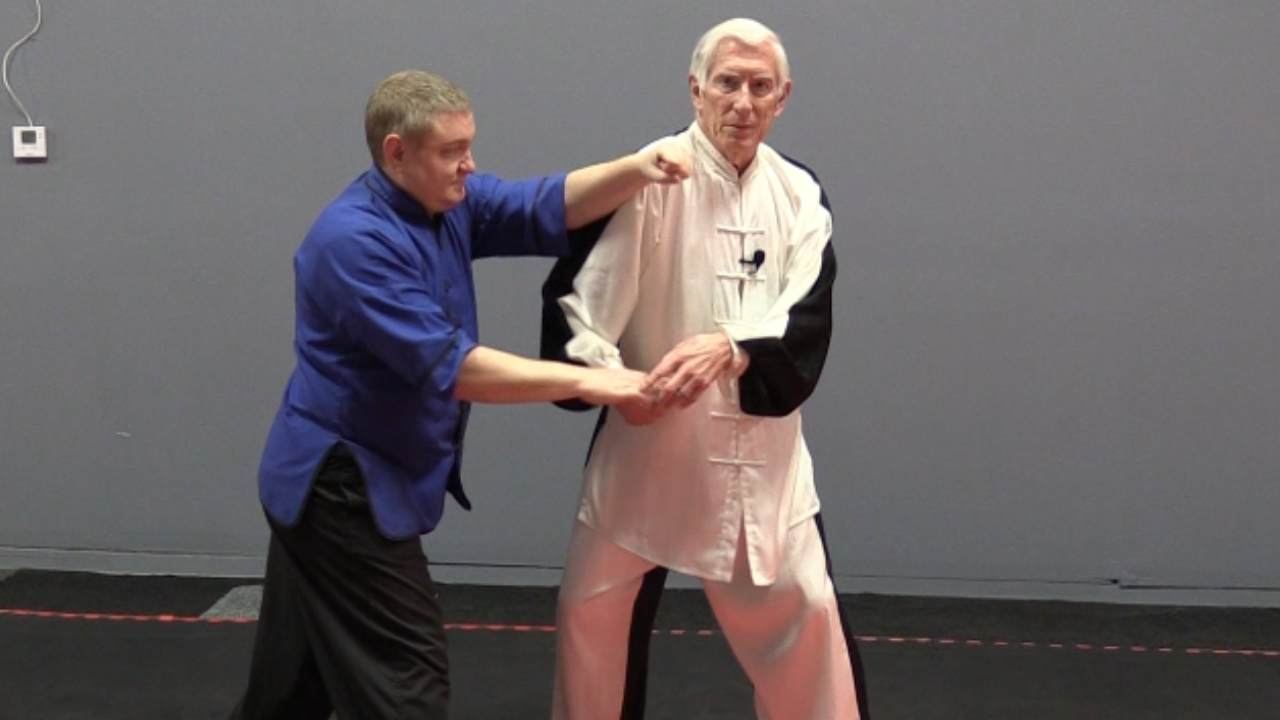
When people talk about the "energies" of Taijiquan, they often list Lu Jin second. First there is Peng Jin -- "Ward Off Energy," then there is Lu Jin -- "Roll Back Energy."
Remember, an "energy" is simply a refined, skillful method for dealing with an opponent's force.
With Lu Jin (sometimes spelled Liu Jin), you don't stop force, you don't block it, and you don't "beat" it.
It is not "yielding," either. With Lu Jin, when someone uses force you redirect it so it continues, just not to the locatioan the opponent thought it was going.
Lu Jin steals the opponent's angle, timing, balance, and expectation. He believes he is in control until suddenly he isn't. He punches or pushes or kicks and his mind says he will find support or a target, but reality says, "The target is not here."
Lu means you allow the opponent's force to continue, while quietly removing the structure that would let it succeed.
"Roll Back" is often shown as two hands redirecting a punch or push, but many parts of...
Tai Chi Energies Part 1 - A Deep Dive into Peng Jin
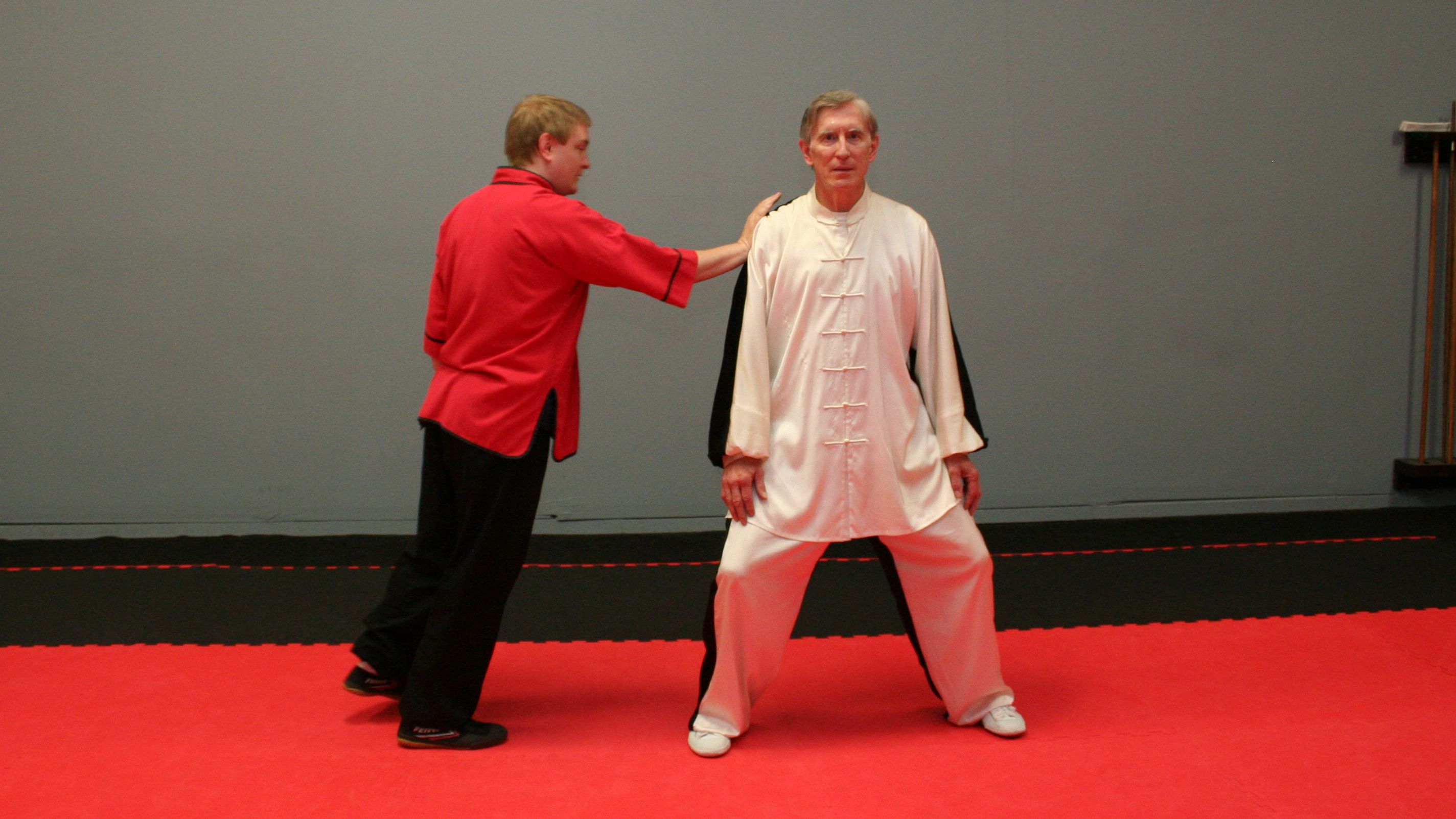
I’m putting together new videos for my website on the “Energies” of Taijiquan. The word energy is often misunderstood, in my opinion. A lot of mystical nonsense is often triggered by the word "energy" in the world of Tai Chi. A better word, in my opinion, is "method." Each “energy” is a method of dealing with force.
The first—and most important—is Peng Jin (often translated as Ward-Off Energy).
Peng is required for all the other energies/methods to work, and Peng relies on the ground path at all times. Without those two things—Peng Jin and the ground—you don’t really have Taijiquan. Without them, movements are empty.
They are working at all times and in all movements, even in what people sometimes call “transitions”—though we know there really are no transitions. No matter what you are doing in a Taiji form, a self-defense application is present.
Peng Jin is not necessarily a force you apply; it is a structural state you maintain. It gives you an expansive feeling inside. You are o...
What Does the Term "Tai Chi Energies" Really Mean?
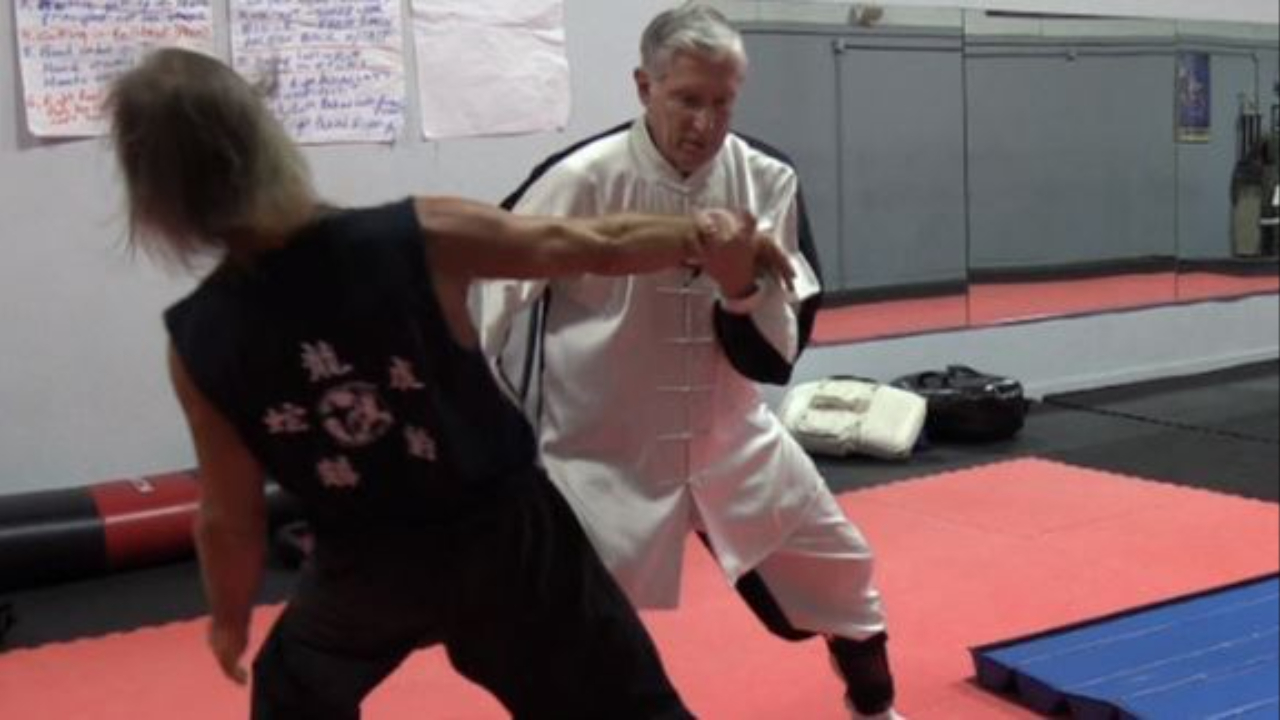
You read and hear about different types of "energies" or "jin" in the internal arts. For example, people talk about the "Eight Energies" or the "Thirteen Energies."
Four primary energies (jin) of Taijiquan are:
1. Peng (Ward Off)
2. Liu (Roll Back)
3. Ji (Press)
4. An (Push)
Rounding Out the Rest of the 13 Energies are:
5. Cai (Pluck-Pull Down)
6. Lie (Split - often pronounced like the name Leah)
7. Zhou - (Elbow)
8. Kao - (Shoulder - often called Bump)
9. Teng (striking at an upward angle from the bottom to the top)
10. Zhe (winding, spinning to the ground)
11. Kong (Empty)
12. Huo (lively and active while maintaining internal principles)
13. Five Moving Directions: Front (Forward), Back (Backward), Left, Right, and Middle (maintaining your balance - your Center)
It's important to remember -- despite what some teachers will tell you -- the Taiji "energies" do not involve some invisible energy in your body called Peng, or Liu, or whatever.
It's a lot more accurate ...
Internal Energies and Takedowns - The Holy Grail of Taiji Self-Defense
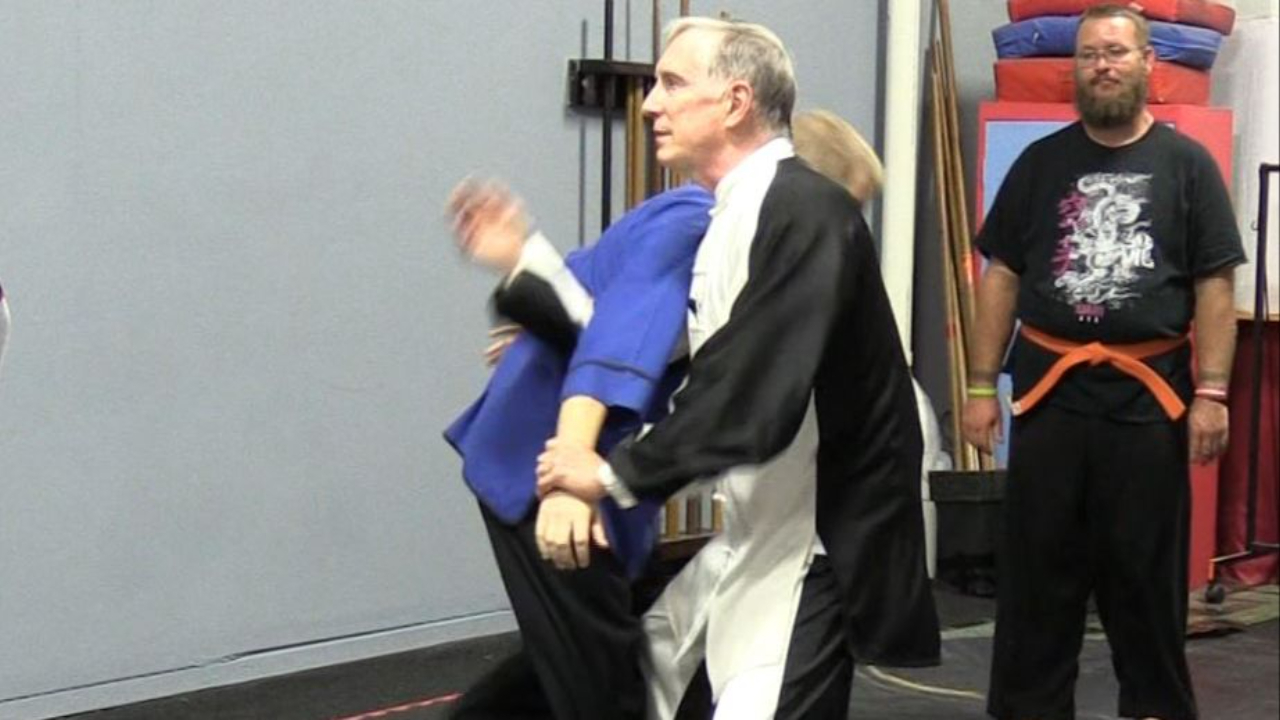
The Holy Grail of Tai Chi self-defense -- in my opinion -- is when you can "feel" an opponent's energy when you are in a clinch and you can break his structure and use Tai Chi "energies" to take him down.
On Saturday, about a dozen martial artists of different styles gathered at Morrow's Academy of Martial Arts in Moline, Illinois and we practiced some of the basic concepts and energies. We recorded the workshop and the video is already going up on my website -- www.internalfightingarts.com -- and I am putting it together for a DVD.
Anyone can use muscular force to pick someone up and throw them to the ground.
But can you use Tai Chi energies to unbalance, uproot, and control your opponent's center so you can take them down?
You have to be able to do a few things:
** Determine how your opponent's center is turning
** Break his structure to unbalance him
** Have your hands and legs in place to help his center turn
** Then turn his center and take it where it wants to go.
The te...
Press Energy and One of Its Meanings
When I first studied Tai Chi, I learned about Ward Off (Peng), Roll Back (Lu), Press (Gi, pronounced "jee"), and Push (An, pronounced "On").
We were told there are eight primary "energies" in Tai Chi.
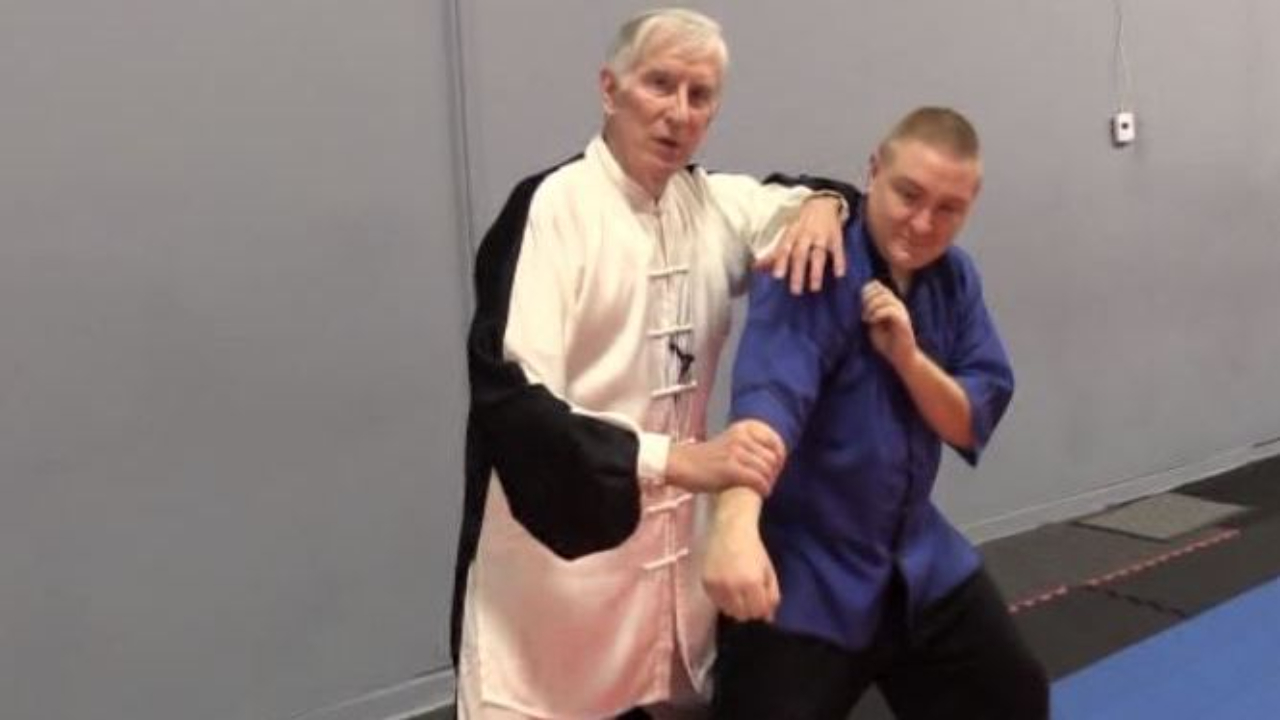
On the rare times we did fighting applications, we thought of Press as a pressing outward type of movement, as in the top photo on the left.
But Press has a different quality. With this "energy," you crowd your opponent. One way this is done in Bagua and Taiji is to deflect incoming force and position yourself close enough to your opponent
that he is unable to defend. At this point, you are set up to do what you need to do.
In the middle photo, I am doing a movement from the Bagua Swimming Body form called "Black Dragon Slashes Its Tail." My partner has punched and I have moved in as the punch was deflected. I am now close enough to do a palm strike, a shoulder bump, a leg technique, and more.
In Taiji you can do this while pushing hands, too. During the double hand routines...
What is Silk-Reeling Energy?
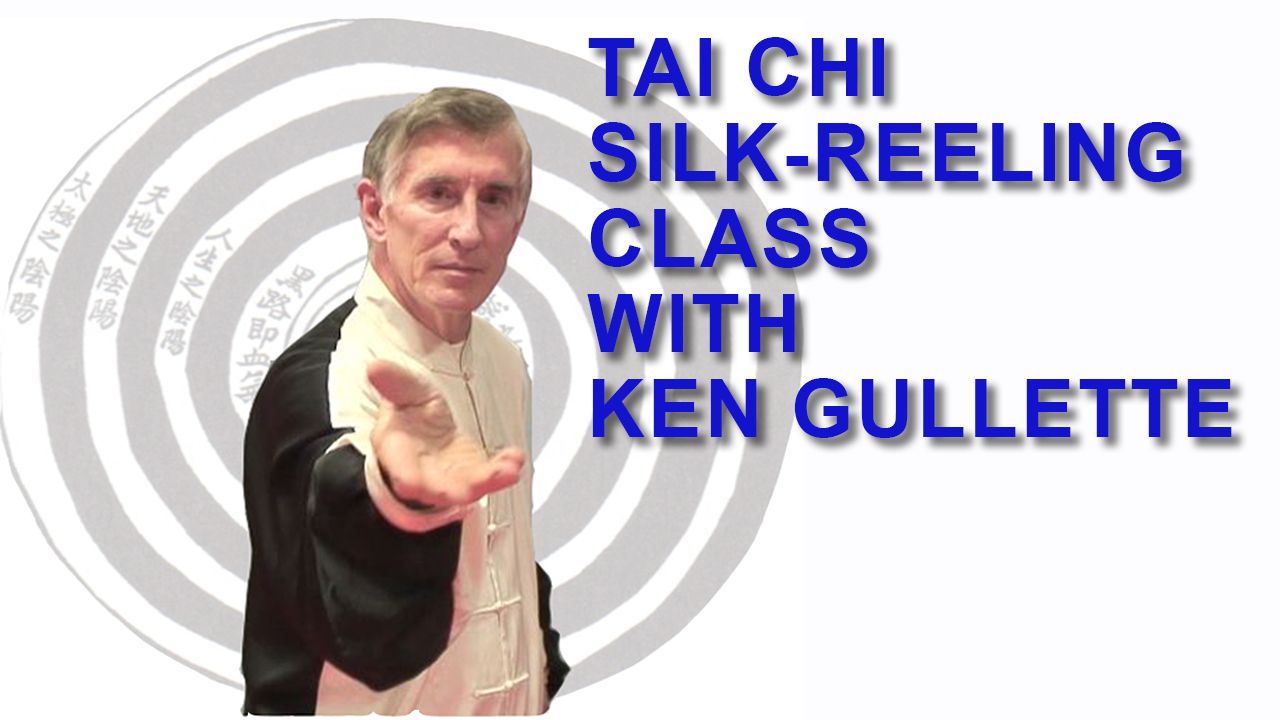
Silk-reeling energy is one of the unique qualities of the internal arts of Chinese kung-fu, particularly Tai Chi and Bagua, but it is also found in Hsing-I, at least the way I practice it. The Chinese refer to this skill as "Chan Ssu Jin."
Silk-reeling energy is a physical skill. There is nothing metaphysical or mystical about it.
Many people around the world have been fooled by the word "energy," which is a poorly translated way of saying "method" or "power" in Chinese. When we hear the word "energy" being used in this way -- including peng energy or liu energy or any of the "energies" of Tai Chi -- we think that it is referring to a scientifically valid electrical or chemical/physiological energy coursing through our bodies.
If that were the case, Michael Jordan used "slam energy" to dunk a basketball. Babe Ruth was a master of "swat energy" when he hit a home run.
That would be wrong. Silk-reeling "energy" is a physical method of using spiraling movement through the body, conne...
Author - Instructor
Ken Gullette
I have practiced martial arts since 1973 and began studying the internal arts in 1987. My goal is to cut years off your development time by coaching you in the real skills for high-quality Tai Chi, Xingyi, Bagua. To see more about my bio, click the "About Ken" link on the menu at the top of this page.
Stay connected with news and updates!
Recent Posts
Categories
All Categorieschen taiji fighting applications
chen xiaowang straight sword form
critical thinking in martial arts
does tai chi make you live longer?
full contact vs point sparring
how to succeed in martial arts
how to use chi kung in daily life
how to use qigong in daily life
internal fighting arts podcast
ken gullette on kung fu conversations podcast
mindset of successful martial artist
principles of body mechanics in martial arts
the myth of longevity in tai chi
understanding tai chi energies
what is body method in tai chi