What Does "Jin" Mean When Talking about the 8 Energies of Taijiquan?
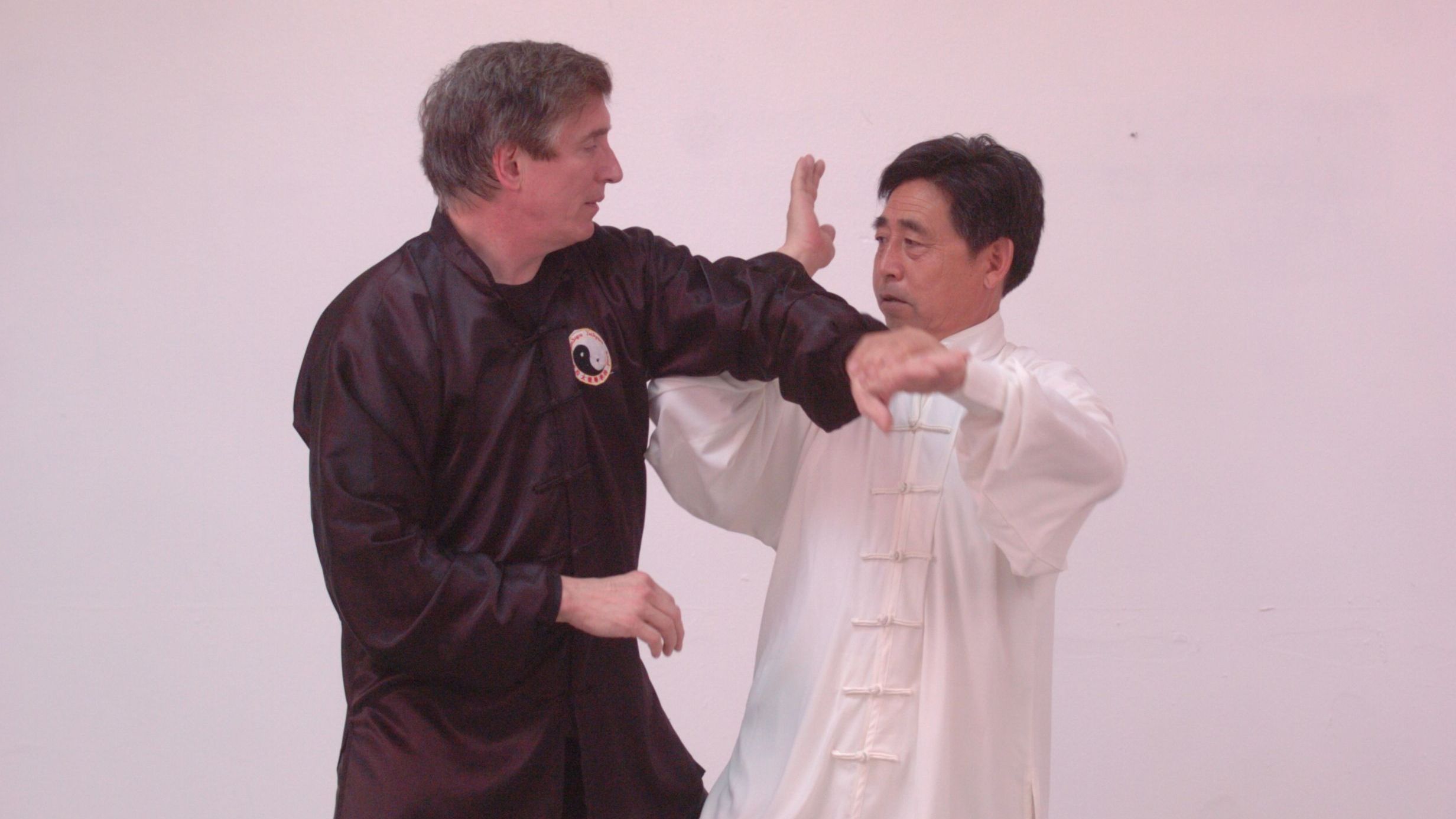
The Chinese language is complex to Westerners, and some of the terms of the internal arts such as Tai Chi, Hsing-I and Bagua are misinterpreted because of the way the words are translated. As a result, the internal arts are often described as "mysterious" or "mystical." That makes them seem out of reach. It harms our practice and our understanding, and these injuries are self-inflicted.
In Taiji, there is a concept known as the "energies," that include peng (ward off), lu (roll back), ji (press), an (push), etc.
The most important of all these is peng jin -- peng energy. It is one of the key elements of every movement, even when you step. You should never lose peng, and that is something that I see missing when I meet Tai Chi students, particularly those who have not studied Chen style. If you have studied Taiji and your teacher hasn't stressed and shown you how to maintain peng in all movement, you should be asking some serious questions about the quality of what you're learning.
S...
Peng Jin is the Most Important "Energy" in Tai Chi
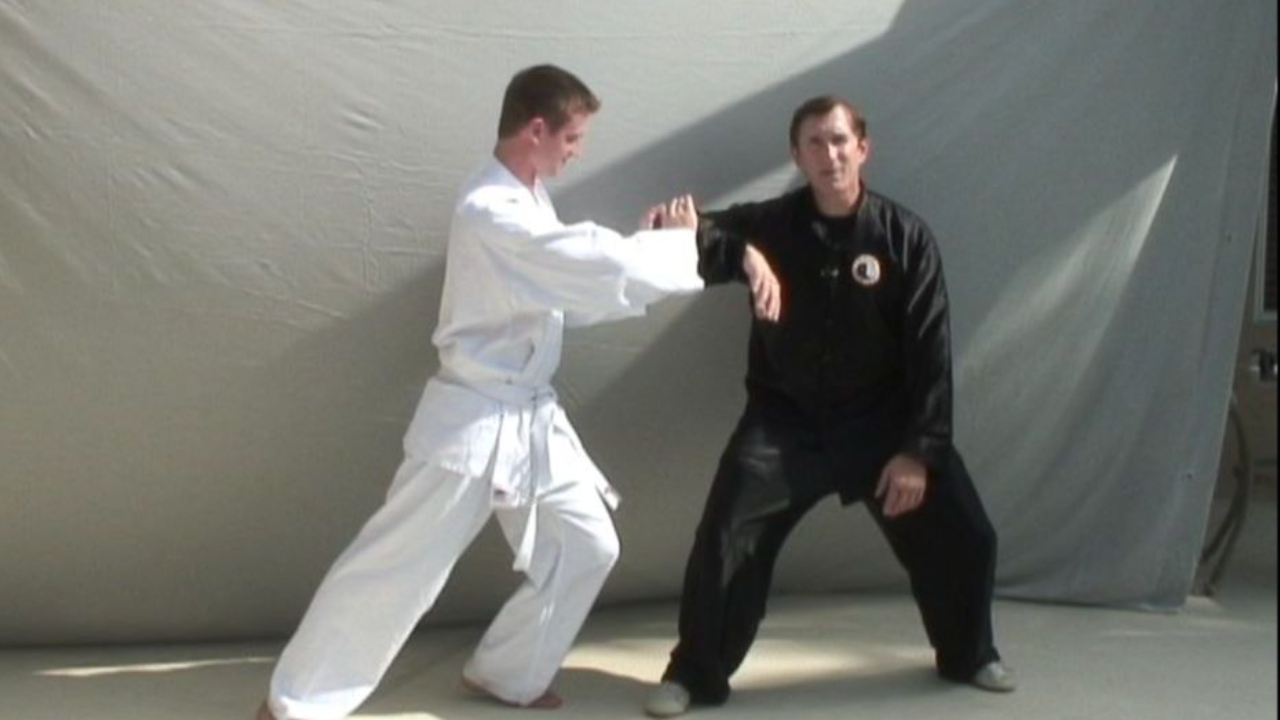
"Jin" means "energy," although that has been misinterpreted by some literal-minded folks who believe it is an actual scientifically real "energy" in the body. It has also been called "power" by some.
I tend to think of jin as "skill" or "method."
The term "energy" is an abstract way of describing the skill that you develop with practice. Liu jin, for example, is "roll back" energy. It's a physical skill that combines reflexes and sensitivity when someone pushes or punches or attacks in another way. The skilled fighter who uses liu can deflect the attack, rolling it away and often causing the attacker to go off-balance. Naturally, this takes a lot of practice. It's impossible to develop this skill just by doing a form. It is a method of dealing with force coming in.
The most important of all the so-called "energies" of tai chi and the internal arts is peng jin. It MUST be present in all of your movements, even when you walk. If it isn't, you're not doing tai chi (or hsing-i or bagu...
Peng is the Most Important Concept in Tai Chi
The most important "jin" (strength or force) in tai chi is peng jin. Chen Xiaowang has described peng jin as "chi flowing, everything full, nothing broken."
Peng jin is an expansive feeling directed outward from the body--beginning with the ground, transmitted by the legs, directed by the dan t'ien and manifest through the hands and fingers. It must be delivered without "local" muscular tension--in other words, you use your entire body as your fist, you don't strike with primarily your arm and shoulder muscles.
Peng jin works with the ground path to provide a solid structure in the body.
This is the foundation of internal strength.
In every movement in Taijiquan, the ground and peng must be present or your movement is empty. This is my the first thing I teach new students is the ground path, then peng jin.
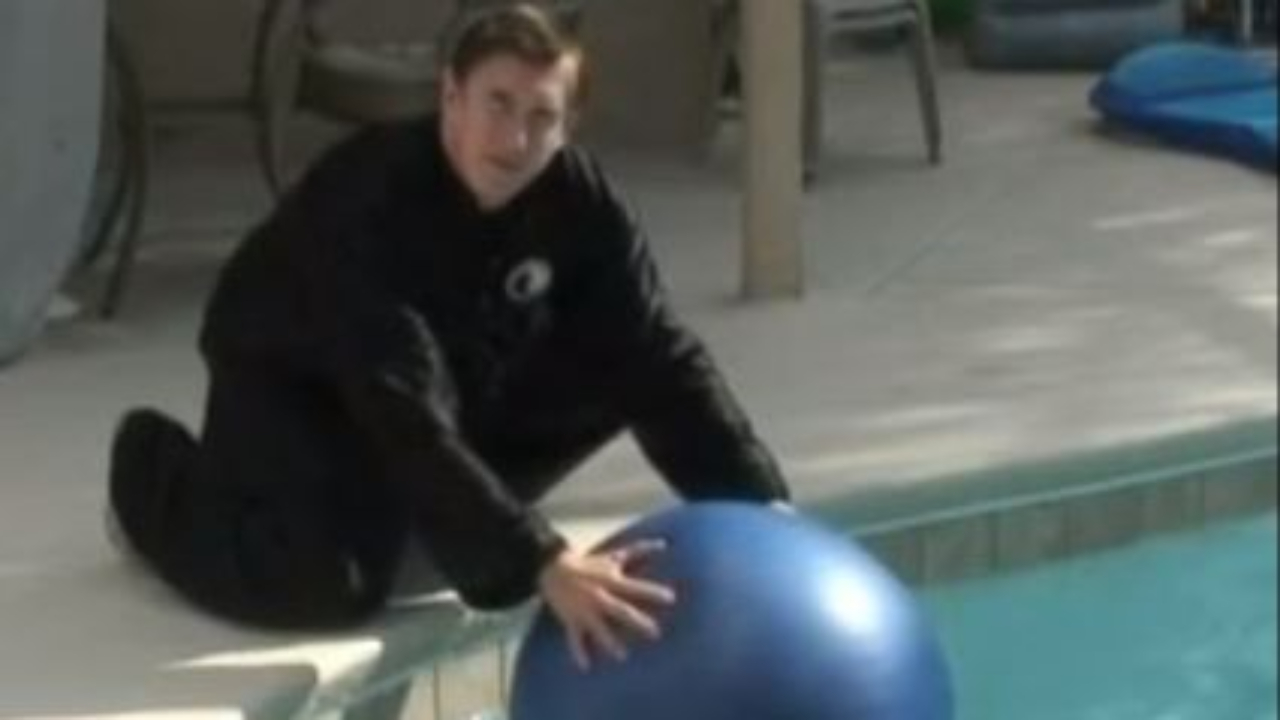
Peng jin feels a bit like the same type of force that exists when you push a beach ball beneath the water. The potential force is ready to be released when you let go of the ba...
What Do They Mean By "Energies?"

You read and hear about different types of "energies" or "jin" in the internal arts. I read an interesting interpretation of this the other day. Something was apparently lost in the translation from Mandarin. When we talk about energies such as peng energy, we aren't talking about a "real" energy circulating through the body.
Instead, it's a cultivated energy or skill. I like to think of a baseball player who has spent many years practicing. He can swing a bat and hit a baseball out of the park, while I'd be lucky to even connect enough to hit a foul. His use of the bat represents a particular strength, or energy. Another example could be that of a carpenter. He can drive a nail with expertise, while I might hit my thumb with the hammer.
Americans, however, don't refer to the baseball player as having great "bat jin," or the carpenter as having great "hammer jin." It isn't part of our culture. When the heavyweight champion of the world knocks out an opponent, we don't say he has tre...
Author - Instructor
Ken Gullette
I have practiced martial arts since 1973 and began studying the internal arts in 1987. My goal is to cut years off your development time by coaching you in the real skills for high-quality Tai Chi, Xingyi, Bagua. To see more about my bio, click the "About Ken" link on the menu at the top of this page.
Stay connected with news and updates!
Recent Posts
Categories
All Categorieschen taiji fighting applications
chen xiaowang straight sword form
critical thinking in martial arts
does tai chi make you live longer?
full contact vs point sparring
how to succeed in martial arts
how to use chi kung in daily life
how to use qigong in daily life
internal fighting arts podcast
ken gullette on kung fu conversations podcast
mindset of successful martial artist
principles of body mechanics in martial arts
the myth of longevity in tai chi
understanding tai chi energies
what is body method in tai chi